
Wood pellets exported from Tay Ninh have become a sought-after product on the international market thanks to their superior quality and performance. These pellets not only meet the demand for biofuels as alternatives to fossil fuels but also contribute to environmental protection by reducing harmful emissions. With significant advantages regarding raw materials and modern production technology, Tay Ninh is steadily establishing its position in the wood pellet manufacturing industry.
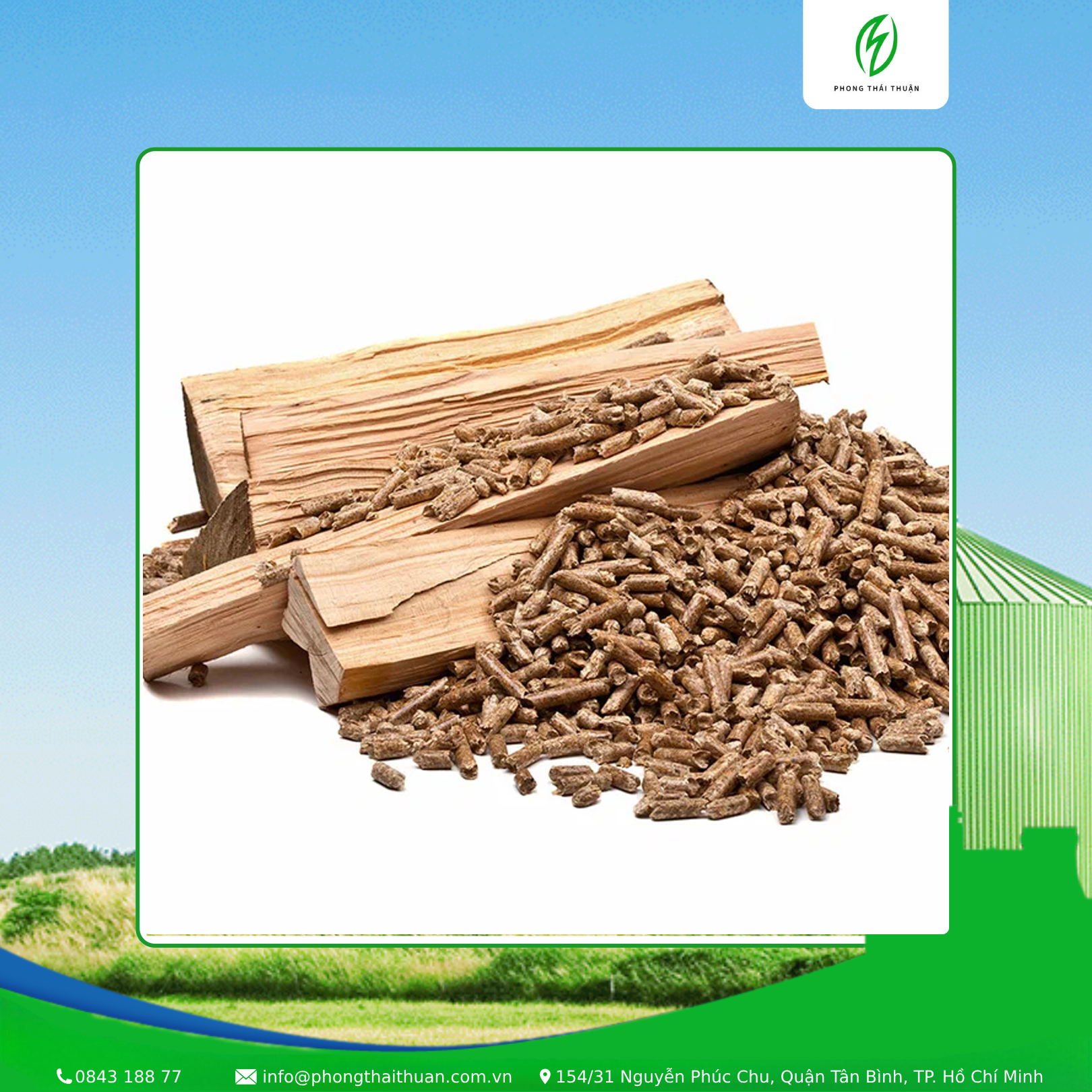
Wood Pellet Production Process for Export in Tay Ninh
The wood pellet production process operates as a closed-loop system, spanning from raw material collection to processing and packaging. This approach not only ensures product quality but also optimizes production costs and time.
Raw Materials
The raw materials used to produce wood pellets include sawdust, wood chips, sugarcane bagasse, and other wood by-products.
Raw materials play a decisive role in determining the quality of the pellets. Manufacturers carefully select materials to ensure they are free from impurities and possess the appropriate moisture content.
Additionally, utilizing materials from fast-growing, renewable tree species—such as acacia and cajeput—helps minimize environmental impact. Developing plantation forests creates a sustainable source of raw materials for future wood pellet production.
Production Technology
Tay Ninh employs advanced production technology, including grinders, pellet presses, and modern drying systems.
Grinders transform the raw materials into a fine powder, facilitating the pelletizing process. After grinding, the material is fed into a high-pressure press to form the pellets.
The drying system plays a crucial role in controlling the pellets' moisture content. Optimal moisture levels ensure the pellets burn efficiently, generating high heat output without producing smoke or toxic gases.
Quality Control
Following production, the wood pellets undergo quality inspections prior to export.
This stage involves checking dimensions and shape, as well as analyzing levels of CO2, sulfur, and ash content. These inspection standards ensure the product meets international quality requirements. Strict adherence to quality standards not only helps protect consumer health but also builds the reputation of the Tay Ninh wood pellet brand in the global market.
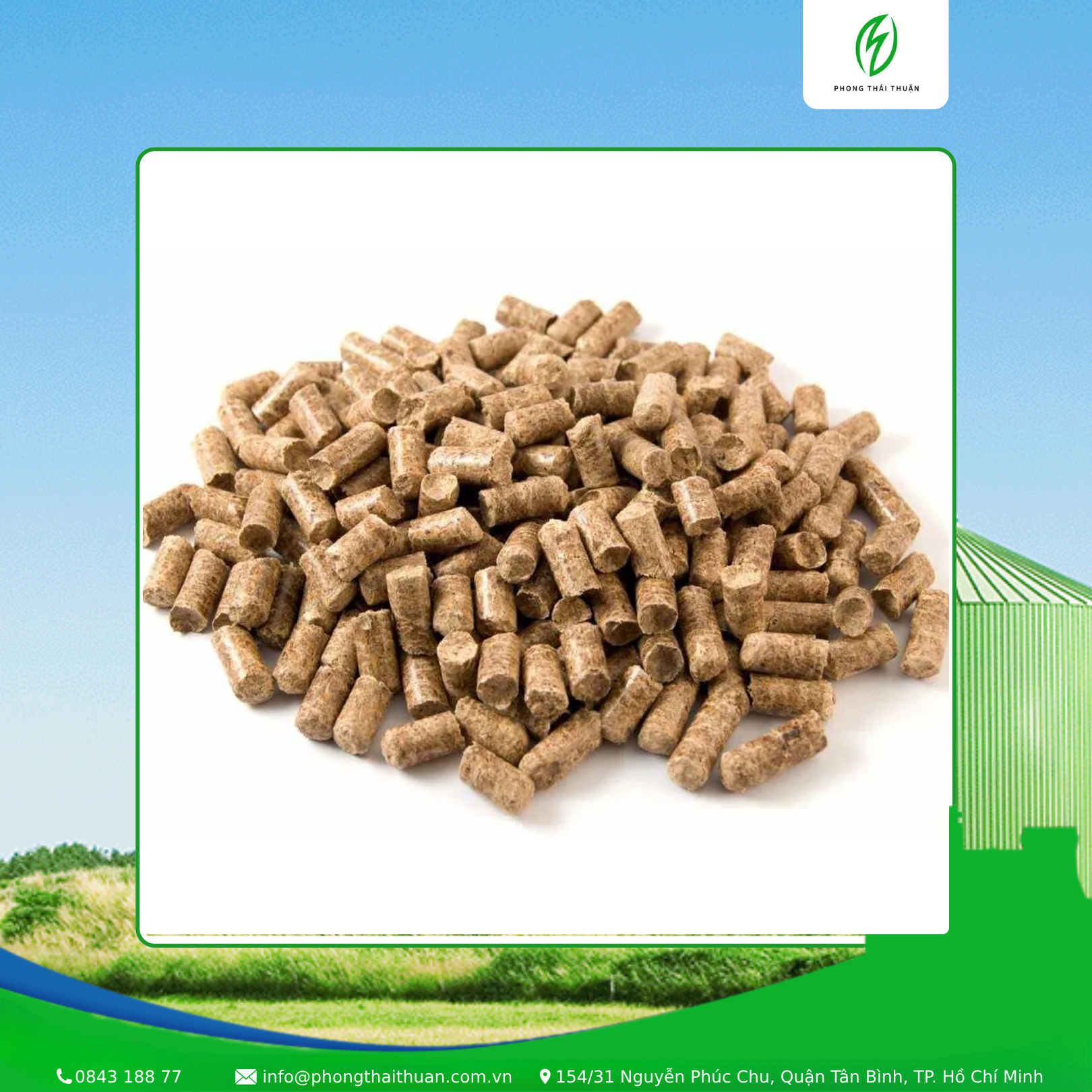
Practical Applications of Wood Pellets Exported from Tay Ninh
Wood pellets serve not only as biofuel but also have various applications in daily life.
Boiler Fuel
Wood pellets are an ideal choice for industrial boiler systems.
Capable of generating high heat output with minimal smoke and dust, wood pellets help factories save on fuel costs while reducing environmental pollution.
Furthermore, using wood pellets instead of coal or oil helps lower carbon emissions and creates a cleaner working environment for employees.
Household Energy Source
In recent years, wood pellets have become a popular choice for household cooking and heating.
Wood pellets ignite easily and provide consistent heat. They also cause less air pollution compared to traditional energy sources.
Additionally, consumers can reduce energy costs by using wood pellets in grills or fireplaces.
An Environmentally Friendly Product
The development of wood pellets has opened up new possibilities in the renewable energy sector.
Using wood pellets not only helps reduce CO2 emissions but also contributes to the preservation of natural forest resources.
Many consumers are now more aware of the environmental impact of traditional energy use and are seeking more sustainable alternatives.
The Wood Pellet Export Market in Tay Ninh
The wood pellet export market is growing rapidly, driven by rising demand from countries in Europe and Asia.
Advantages of Wood Pellets from Tay Ninh
Wood pellets are known for several outstanding advantages.
First, the product features high uniformity in size and shape, making transportation and usage more convenient.
Second, wood pellets from Tay Ninh possess high energy content and low ash levels, which optimize performance and minimize pollution.
Finally, Tay Ninh enjoys a favorable geographical location near major seaports, facilitating easier product exports.
Export Challenges
Despite significant potential, exporting wood pellets faces certain challenges.
One of the biggest hurdles is fierce competition from other producers in the region.
Additionally, increasingly stringent quality standards in international markets place significant pressure on domestic manufacturers.
Balancing the maintenance of product quality with the reduction of production costs is a difficult challenge that businesses must address.
Future Outlook
With growing environmental awareness, the demand for wood pellets is projected to continue rising in the future.
Government support policies and advancements in production technology will also create favorable conditions for the wood pellet industry.
If Tay Ninh continues to maintain product quality and improve production processes, its wood pellets will have the opportunity to expand further into international markets.
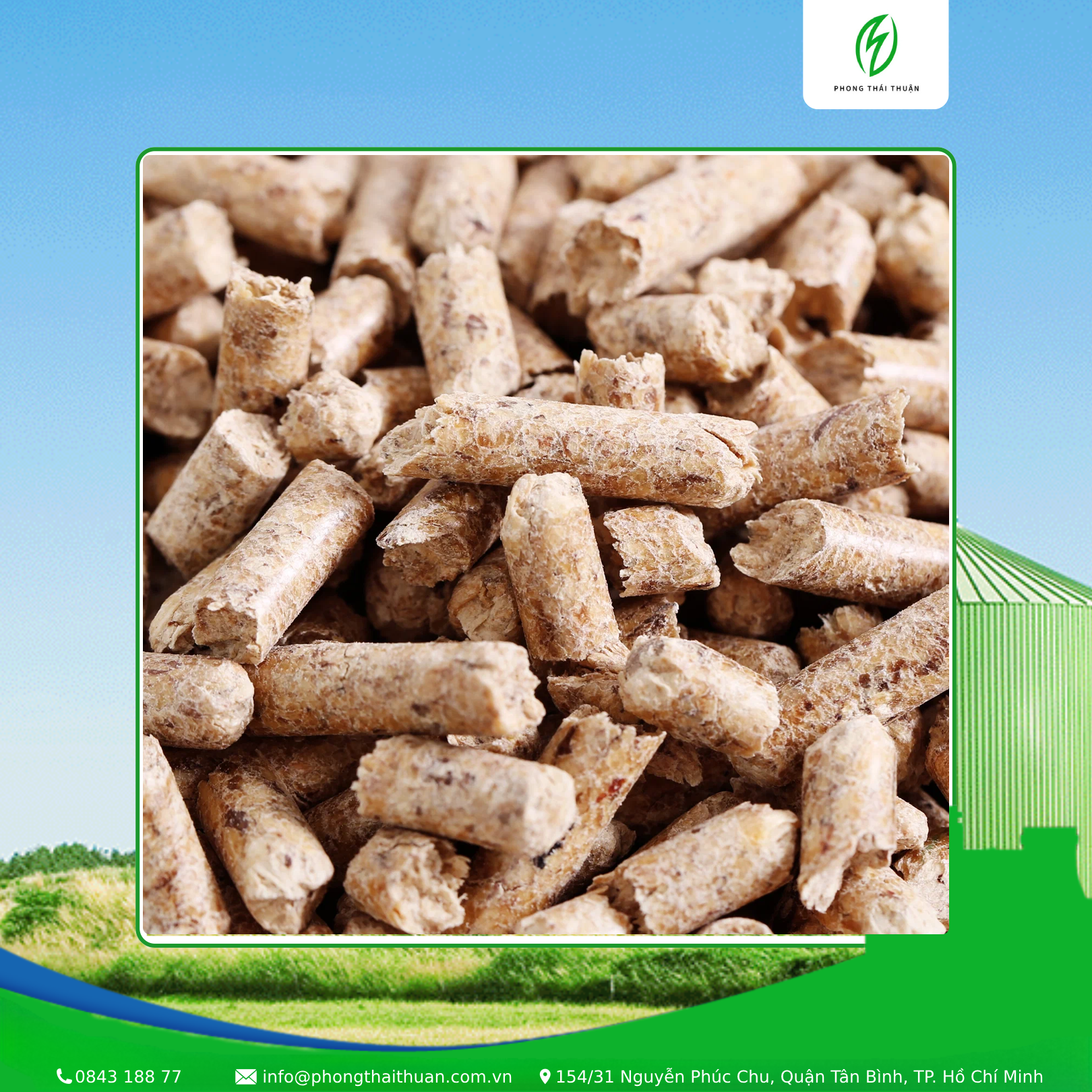
Current Consumer Trends Regarding Wood Pellets
Consumer preferences regarding energy use have shifted significantly in recent years.
Increased Use of Renewable Energy
Consumers are increasingly turning to renewable energy sources, including wood pellets.
Using wood pellets gives them greater peace of mind regarding environmental protection.
Consumers also recognize that switching to wood pellets is not only beneficial for the planet but can also reduce monthly living expenses.
High Standards for Product Quality
Today's consumers are increasingly savvy and demand high product quality.
They look beyond price, taking a keen interest in production processes, raw material origins, and relevant quality certifications.
This has driven wood pellet manufacturers to strive for improvements and higher quality standards to meet customer expectations.
Environmental Awareness
Awareness of climate change and the necessity of environmental protection is growing.
Many consumers are actively seeking eco-friendly products, such as wood pellets.
They view the use of wood pellets not merely as a cost-saving measure, but as a way to contribute to protecting the planet.