
Acacia sawdust is a versatile secondary product generated during the primary processing of acacia wood. As industries and agricultural operations continuously seek functional organic materials, woody biomass residues have gained significant attention for various practical purposes. Understanding the inherent characteristics of this material allows facility managers, procurement specialists, and agricultural operators to integrate it effectively into their operations while optimizing material costs and handling procedures.
Understanding Acacia Sawdust
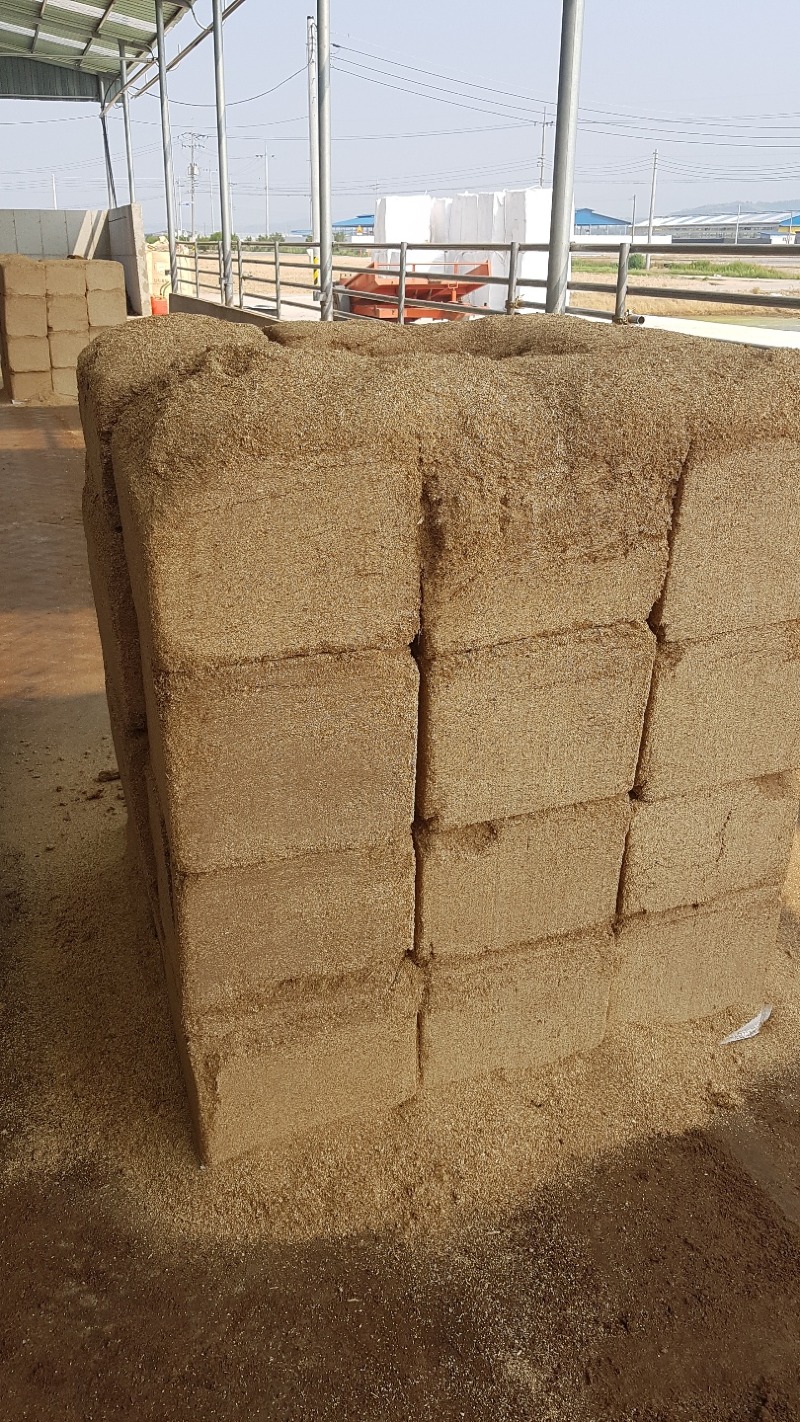
Acacia wood is widely cultivated in various regions for timber, furniture production, and paper manufacturing. During cutting, shaping, and planing operations, substantial volumes of sawdust and wood shavings are produced. This particulate biomass consists primarily of natural wood fibers, containing cellulose, hemicellulose, and lignin, with varying degrees of moisture depending on the drying state of the source timber and processing environment.
The physical form of acacia sawdust typically ranges from fine powdery particles to slightly coarser granules, shaped by the specific cutting tools and machinery used in lumber mills. Because it originates from hardwood species, the density and energy content differ noticeably from softwood residues like pine. These natural attributes influence how the material behaves when burned for thermal energy, compressed into densified fuel forms, or utilized for moisture absorption in animal husbandry environments.
Examining the consistency and moisture content of the material is a fundamental first step for any industrial user. Freshly milled sawdust often contains high moisture levels due to the sap content of living or recently harvested trees. Conversely, material sourced from dry milling operations or stored in covered facilities exhibits lower moisture percentages, which directly affects its handling characteristics, combustion efficiency, and susceptibility to biological degradation over time.
Practical applications and suitability
When evaluating organic byproducts for commercial use, matching the physical and chemical properties of the substrate to the exact demands of the end application prevents operational inefficiencies. Industrial users often direct wood residues toward thermal energy generation, supplying biomass boilers, brick kilns, or textile dryers where consistent heat output is required. Agricultural managers, on the other hand, frequently look for high absorption capacity and structural resilience to maintain hygienic conditions in livestock housing.
Matching the material to the intended use
Different operational contexts demand specific grades of wood residue. For thermal applications, uniform particle size and low moisture content help ensure steady feeding rates into boiler systems and minimize smoke or incomplete combustion. When used as animal bedding for horses, cattle, or poultry, the material must be free of sharp splinters, excessive dust that could irritate respiratory tracts, and chemical contaminants from treated timber.
Facility operators should carefully assess whether raw sawdust requires further processing, such as screening to remove oversized chips or drying to reduce water weight before introduction into automated combustion systems. Similarly, agricultural buyers often evaluate how well the material cushions animal joints, controls ammonia odors, and mixes into organic compost piles after removal from the stables.
Quality information to request
Clear communication between buyers and suppliers regarding material specifications minimizes operational disruptions. Key parameters to discuss include moisture content percentages, particle size distribution, purity levels free from dirt, sand, or metal fragments, and whether the timber source was chemically treated. Requesting detailed technical sheets or conducting preliminary physical inspections ensures the delivered biomass aligns with equipment tolerances and environmental standards.
Suppliers should be transparent about how the sawdust is collected and stored prior to dispatch. Material gathered directly from clean indoor milling floors generally contains fewer impurities than residue collected from open-air yards where soil and grit can mix with the wood particles during windy or rainy weather.
Planning storage and handling
Proper storage infrastructure is essential for maintaining the usability of bulk wood residues. Because wood dust is hygroscopic, it readily absorbs moisture from the surrounding atmosphere or direct precipitation. Wet sawdust is prone to fungal growth, microbial decomposition, and spontaneous heating if large piles are left unmanaged for extended periods. Consequently, covered warehouses, silos, or well-tarpaulin-covered containment areas are necessary to protect the inventory.
Handling systems must also account for the lightweight, particulate nature of the material. Pneumatic conveying systems, screw augers, or front-end loaders are commonly employed to transfer sawdust from storage bays to processing equipment or delivery vehicles. Dust mitigation measures, such as proper ventilation and dust collection systems, are critical in enclosed spaces to maintain a safe working environment and minimize fire hazards associated with airborne combustible dust.
Logistical planning should incorporate inventory rotation based on the first-in, first-out principle. Even under protective roofs, storing biomass for excessively long periods can lead to gradual degradation of the wood fibers, altering its burning characteristics or reducing its structural integrity as animal bedding.
Organizing bulk supply and delivery
Securing a reliable, continuous volume of acacia sawdust requires coordinating logistics with suppliers who understand the demands of industrial schedules. Large-scale consumers, such as commercial greenhouse operators, brick manufacturers, and biomass power plants, typically arrange scheduled truckloads or container shipments to match their daily consumption rates without overcrowding on-site storage facilities.
Transport methods vary depending on the distance between the processing mill and the end-user's facility. Bulk dump trucks, walking-floor trailers, or compressed baled units are utilized to optimize payload weights and freight costs. Buyers must verify that their unloading docks, storage bunkers, or receiving hoppers are compatible with the delivery vehicle type to streamline turnaround times at the facility gate.
Comparing suppliers beyond the quoted price
While unit cost is an influential factor in procurement decisions, focusing solely on the lowest price can lead to hidden operational costs. Evaluating potential suppliers involves examining their consistency in product quality, reliability of delivery schedules, responsiveness to customer inquiries, and ability to fulfill volume commitments during peak seasonal demand fluctuations.
Established suppliers typically demonstrate a better understanding of quality control, maintaining cleaner collection processes and providing accurate documentation regarding material origin and moisture levels. Building a stable relationship with a dependable provider reduces the risk of sudden supply shortages and ensures technical continuity for manufacturing or agricultural operations.
Frequently Asked Questions About Acacia Sawdust
Addressing common queries helps clarify procurement practices and operational handling for organizations considering this material.
Making an informed sourcing decision
Integrating acacia sawdust into industrial or agricultural workflows offers a practical way to utilize secondary wood processing residues. By carefully assessing material properties, establishing proper storage protocols, coordinating dependable logistics, and evaluating suppliers on holistic service and quality rather than price alone, organizations can achieve stable, efficient operations. Reviewing specific technical requirements with prospective providers ensures a sustainable and productive supply chain tailored to individual facility needs.
Contact information
PHONG THAI THUAN COMPANY LIMITED
Address: 154/31 Nguyễn Phúc Chu, Phường Tân Sơn, TP. Hồ Chí Minh
Hotline: 0843 188 777
Email: info@phongthaithuan.com.vn
Website: phongthaithuan.com.vn