
Sourcing bulk wood shavings in a bustling industrial and agricultural hub like Ho Chi Minh City requires a careful evaluation of material specifications, logistical planning, and supplier reliability. Wood shavings are versatile organic byproducts generated during the mechanical processing and planing of timber. Across various commercial sectors, these light, absorbent, and resilient materials serve critical functions ranging from animal bedding to biomass energy applications and packaging cushions. Procuring this material in large quantities demands a structured approach to ensure that the delivered product meets specific operational requirements without causing unexpected handling or storage issues.
Industrial buyers, agricultural operators, and commercial processors must look beyond simple unit pricing when evaluating potential procurement channels. Understanding the physical characteristics of the material, its moisture content, and the consistency of the supply chain helps organizations maintain seamless operations. This guide explores the essential factors involved in securing a steady and reliable volume of wood shavings within the economic ecosystem of Ho Chi Minh City and its surrounding industrial provinces.
Understanding Bulk Wood Shavings
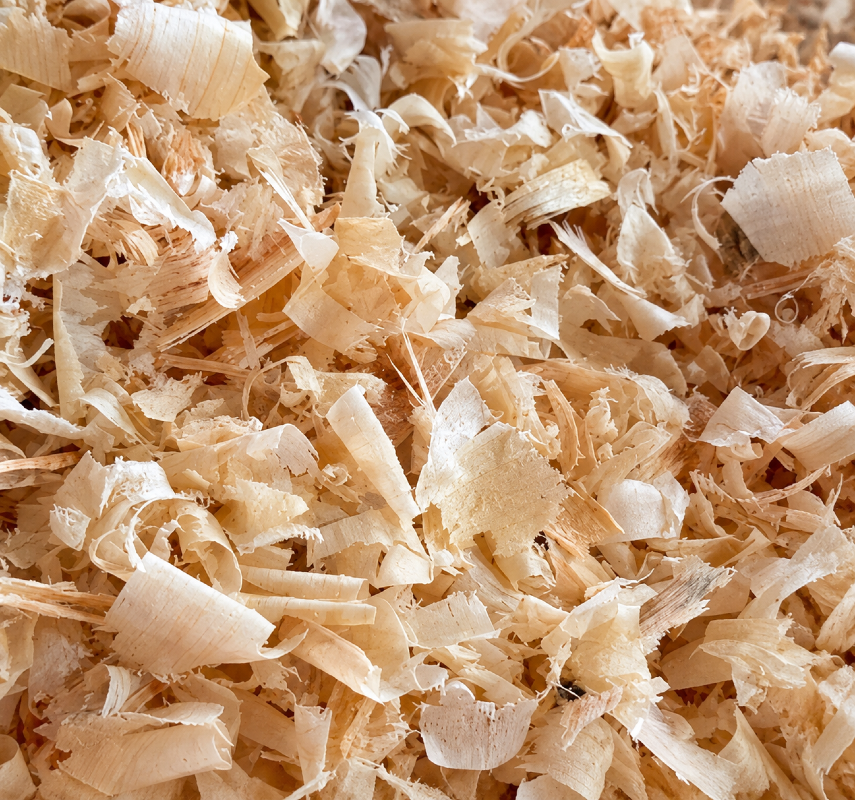
Wood shavings differ significantly from sawdust, wood chips, and other timber processing residuals. While sawdust is fine and powdery, and wood chips are chunky and dense, shavings are typically thin, curl-shaped ribbons of wood produced by planers and woodworking machinery. These physical properties give bulk wood shavings a high surface-area-to-volume ratio, which enhances their natural absorbency and cushioning characteristics.
In the context of industrial supply chains, wood shavings are typically gathered from sawmills, furniture manufacturing facilities, and secondary timber processing plants. Depending on the source wood—such as acacia, pine, or mixed hardwoods—the characteristics of the shavings can vary. Softwood shavings, for instance, often possess a pleasant natural aroma and high absorbency, making them popular for specific animal care applications. Hardwood shavings, on the other hand, can offer different density profiles. Bulk purchasers must evaluate whether their chosen supply consists of clean, untreated wood free from chemical treatments, glues, or paints, especially when the end use involves sensitive environments like animal husbandry or organic composting.
Practical applications and suitability
Matching the material to the intended use
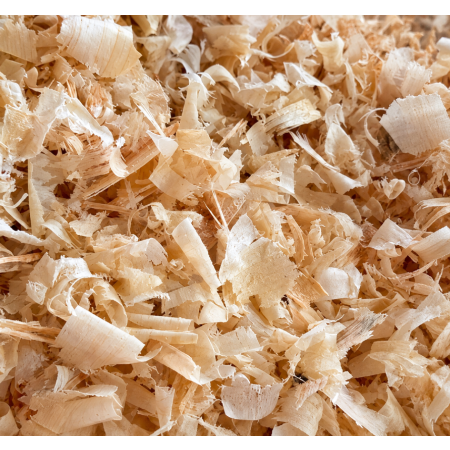
Before committing to a high-volume supply agreement, procurement managers must carefully match the physical attributes of the wood shavings to their specific operational needs. For animal bedding applications, such as in equine stables or livestock housing, the material must be soft, relatively dust-free, and capable of absorbing moisture effectively while providing a comfortable cushion. Excessive dust can respiratory issues in animals, making clean screening an important consideration during selection.
In agricultural or horticultural settings, wood shavings are frequently utilized for soil conditioning, mulching, or as a carbon-rich component in composting operations. Because wood decomposes slowly compared to greener organic matter, it provides long-term structural porosity in heavy soils. However, the carbon-to-nitrogen ratio must be managed carefully if the compost is intended for direct plant application. Industrial users may also employ bulk shavings for spill absorption, protective packaging fillers, or as a constituent material in composite manufacturing and biomass fuel blends. Ensuring compatibility between the material grade and the application prevents operational inefficiencies and material waste.
Quality information to request
When engaging with suppliers for bulk orders, buyers should proactively request detailed information regarding the quality and consistency of the material. Key parameters to clarify include the moisture content, particle size distribution, presence of foreign debris, and the specific timber species utilized. High moisture levels in stored wood shavings can lead to mold growth, spontaneous heating, or rapid degradation, which compromises the usability of the product.
Buyers should also inquire about the processing method. Compressed bale shavings, for example, offer distinct logistical advantages by reducing the required storage footprint and optimizing transport efficiency compared to loose bulk loads. Understanding whether the shavings are screened to remove fine dust particles helps businesses maintain cleaner working environments. Requesting technical data sheets or physical product specifications directly from the supplier establishes a clear baseline for quality control upon delivery.
Planning storage and handling
Proper storage is a critical operational factor when dealing with bulk wood shavings. Because wood is naturally hygroscopic, it readily absorbs moisture from the surrounding environment. Storing loose or baled shavings in a covered, well-ventilated, and dry area is essential to prevent dampness, mold proliferation, and structural degradation. Facilities should ensure that storage zones are elevated above damp ground and protected from direct rainfall.
Fire safety is another vital consideration in storage management. Dry wood shavings are highly combustible, and fine dust particles suspended in the air can present explosion hazards in enclosed spaces. Implementing strict no-smoking policies, maintaining adequate clearance around electrical equipment, and deploying appropriate fire suppression systems are standard safety practices. Furthermore, facilities should establish a first-in, first-out inventory rotation system to prevent material from remaining in storage for extended periods, thereby minimizing the risk of biological decay or compaction.
Organizing bulk supply and delivery
Logistical coordination is often the most complex aspect of procuring bulk wood shavings in Ho Chi Minh City. Due to urban traffic regulations, heavy transport vehicles face specific time windows and route restrictions when navigating municipal districts. Buyers must coordinate closely with suppliers to determine the most efficient delivery schedules, vehicle capacities, and offloading protocols.
Bulk orders can be transported in various formats, including dump trucks for loose material or tautliner trucks for palletized and compressed bales. Each delivery method requires specific on-site infrastructure, such as adequate turning radii for large trucks, accessible loading bays, or appropriate material handling equipment like forklifts. Establishing clear delivery terms, verifying vehicle access routes, and confirming driver responsibilities regarding on-site placement help prevent logistical bottlenecks and ensure a smooth reception of goods.
Comparing suppliers beyond the quoted price
While unit cost is a primary consideration in any commercial procurement process, relying solely on the lowest price can lead to hidden operational costs. A comprehensive evaluation of wood shavings suppliers requires examining several qualitative factors alongside the financial quotation. Reliability of supply is paramount; an inconsistent delivery schedule can halt production lines or leave animal housing unmanaged.
Buyers should assess the supplier's operational capacity, responsiveness, and willingness to provide consistent product grades over the long term. Evaluating customer service standards, dispute resolution procedures, and the supplier's reputation within the timber byproduct sector provides deeper insight into their reliability. Additionally, transparent communication regarding lead times, volume flexibility, and contingency plans for seasonal supply fluctuations indicates a professional and dependable business partner.
Frequently Asked Questions About Bulk Wood Shavings
Making an informed sourcing decision
Procuring bulk wood shavings successfully in Ho Chi Minh City involves balancing material quality, logistical feasibility, storage capabilities, and supplier reliability. By systematically defining operational needs, verifying product specifications, planning for safe and dry storage, and establishing clear communication channels with dependable suppliers, organizations can optimize their procurement processes. Taking a measured and thorough approach ensures that the chosen wood shavings supply supports long-term operational efficiency and resource management across diverse commercial and industrial applications.
Contact information
PHONG THAI THUAN COMPANY LIMITED
Address: 154/31 Nguyễn Phúc Chu, Phường Tân Sơn, TP. Hồ Chí Minh
Hotline: 0843 188 777
Email: info@phongthaithuan.com.vn
Website: phongthaithuan.com.vn