
Navigating the material sourcing landscape for industrial packaging requires a careful balance of structural integrity, cost efficiency, and supply chain reliability. For modern industrial operations, pallet manufacturing relies heavily on engineered components that offer uniformity, dimensional stability, and consistent strength. Among these vital components, compressed wood pallet blocks stand out as a reliable alternative to traditional solid lumber blocks. Sourcing these materials effectively involves understanding their production, evaluating their mechanical properties, and planning for bulk logistics. When you approach procurement with a structured methodology, you can secure materials that align with your operational requirements while avoiding common pitfalls associated with inconsistent supplies.
Understanding Compressed Wood Pallet Blocks
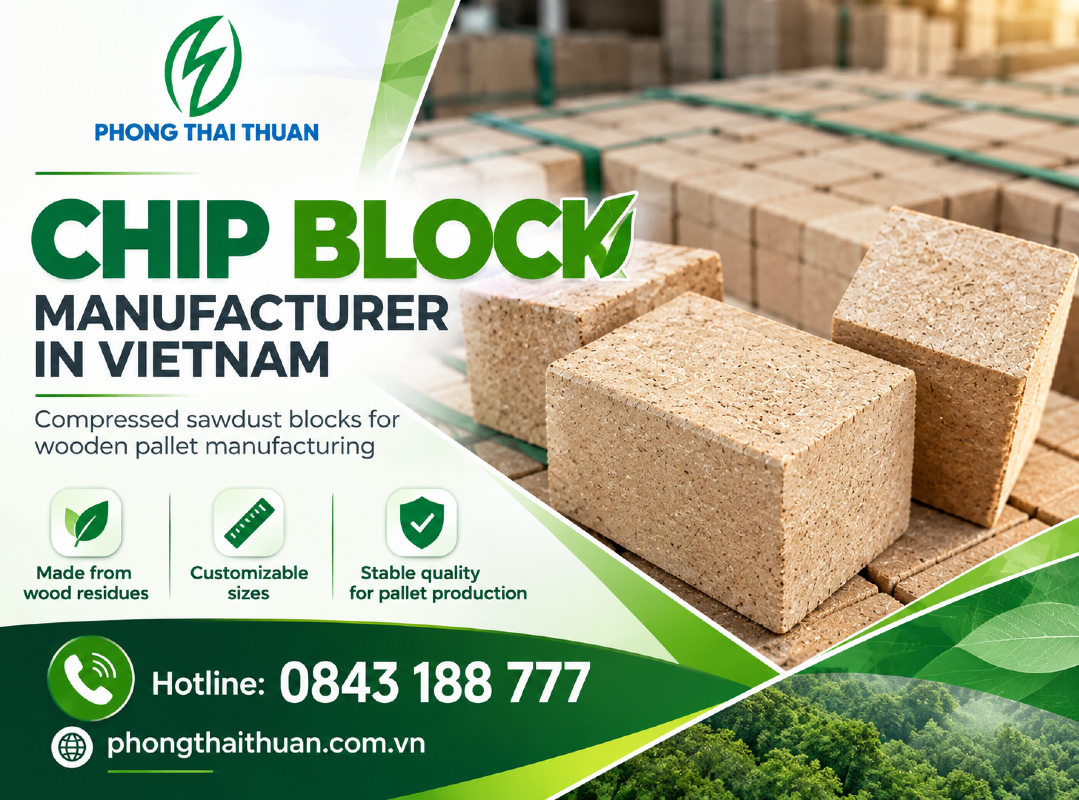
Compressed wood pallet blocks, commonly referred to in the industry as chip blocks, are engineered structural components manufactured from processed wood particles, sawdust, and synthetic or bio-based resins. Under high pressure and temperature, these materials are bonded into dense, solid blocks that can be cut precisely to specific dimensions. Unlike natural solid wood, which can suffer from warping, knot holes, and varying moisture levels, engineered chip blocks offer high uniformity. This consistency makes them exceptionally popular in automated and semi-automated pallet nailing lines where precision is paramount. Furthermore, because these blocks are typically produced from wood processing residues and secondary byproducts, they represent an efficient use of raw materials, supporting broader sustainability goals within the manufacturing sector.
Practical applications and suitability
Selecting the right pallet block involves evaluating how the finished platform will be handled, transported, and stored throughout its operational lifecycle. Different supply chain environments demand specific structural characteristics.
Matching the material to the intended use
The primary function of a pallet block is to maintain structural clearance for forklift tines and pallet jacks while supporting the dynamic and static loads placed on the deck boards. When matching chip blocks to your intended use, you must consider the weight of the cargo, the expected stacking height, and whether the pallets will be used for domestic transit or heavy international shipping. For standard warehouse storage and domestic distribution, standard-density compressed wood blocks provide adequate load-bearing capacity. However, if your application involves high-humidity environments, long-term outdoor staging, or heavy industrial machinery, you must verify whether the specific block formulation offers adequate moisture resistance or if alternative treatments are necessary. Always consult with your supplier regarding the structural ratings and load limits of the specific block dimensions you intend to purchase.
Quality information to request
To ensure that the chip blocks you source will perform reliably under operational stress, you should request detailed technical documentation from your supplier. Essential information includes nominal dimensions, tolerance ranges, density specifications, and moisture content levels. Additionally, inquire about the type of adhesive binder used in manufacturing, as certain export regulations or environmental standards may require specific compliance documentation. Requesting a technical data sheet allows your quality control team to establish baseline metrics for incoming shipments, ensuring that every batch meets your manufacturing tolerances before assembly begins.
Planning storage and handling
Proper storage and handling of compressed wood blocks are critical to preserving their structural integrity prior to pallet assembly. Even though engineered blocks are more dimensionally stable than raw lumber, they remain susceptible to moisture absorption if left unprotected in damp environments. You should store pallet blocks indoors on raised pallets or racks, keeping them away from direct contact with concrete floors where moisture can seep upward. Implement a strict first-in, first-out inventory rotation system to prevent prolonged storage in suboptimal conditions. Additionally, ensure that your handling equipment does not damage the edges or corners of the blocks during internal transport, as chipped or fractured blocks can compromise the structural strength of the finished pallet.
Organizing bulk supply and delivery
Managing the supply chain for pallet manufacturing raw materials requires careful coordination of delivery schedules and storage capacity. Sourcing chip blocks in bulk typically offers significant cost advantages and ensures a steady production flow, but it also requires adequate warehouse space. When planning your procurement schedule, evaluate your average daily or weekly consumption rate, factoring in seasonal fluctuations in pallet demand. Coordinate with your logistics partners to establish reliable delivery windows that prevent stockouts without overwhelming your storage facilities. Establishing clear communication channels with your supplier regarding lead times, minimum order quantities, and freight logistics will help maintain a resilient and predictable supply chain.
Comparing suppliers beyond the quoted price
While unit pricing is a major factor in any procurement decision, focusing exclusively on the lowest quote can introduce hidden risks. A comprehensive supplier evaluation should encompass several critical dimensions beyond basic cost.
- Reliability and Lead Times: Assess the supplier's track record for delivering orders on schedule, especially during peak demand periods.
- Quality Consistency: Look for suppliers who maintain strict quality control protocols to ensure that dimensions, density, and moisture levels remain uniform across different production batches.
- Customer Support and Communication: A responsive supplier who can quickly address technical inquiries, provide documentation, and resolve logistics issues is invaluable to your operations.
- Sustainability and Compliance: Verify that the supplier adheres to relevant environmental regulations and responsible wood sourcing practices, which can be crucial for your own corporate sustainability reporting.
Frequently Asked Questions About Compressed Wood Pallet Blocks
Making an informed sourcing decision
Sourcing chip blocks for pallet manufacturing is a strategic process that directly impacts the quality, durability, and cost-effectiveness of your finished products. By thoroughly evaluating material suitability, planning for proper storage, analyzing bulk logistics, and looking beyond initial price quotes to assess supplier reliability, you can build a robust procurement strategy. Always verify product availability and specifications directly with your chosen supplier to ensure a seamless alignment between your operational needs and their manufacturing capabilities. With a meticulous approach to sourcing, your enterprise can maintain high production standards and deliver dependable pallets to your customers.
Contact information
PHONG THAI THUAN COMPANY LIMITED
Address: 154/31 Nguyễn Phúc Chu, Phường Tân Sơn, TP. Hồ Chí Minh
Hotline: 0843 188 777
Email: info@phongthaithuan.com.vn
Website: phongthaithuan.com.vn