
When operating industrial boilers in regions with heavy manufacturing activities like Long An, finding a reliable and steady source of energy is crucial for daily production continuity. Industrial facilities often look toward alternative biological fuels to manage operational costs while maintaining necessary thermal outputs. Among the various biomass options available on the market, compressed sawdust briquettes, particularly the D90 specification, have gained significant attention from plant managers and facility operators.
Understanding how this fuel performs, what specifications to look for, and how to manage its delivery and storage can help your enterprise maintain efficient combustion processes. Companies operating in industrial zones across Long An frequently evaluate different biomass suppliers to secure materials that align with their specific furnace designs and operational requirements. This overview provides foundational information, practical considerations, and sourcing guidelines to help you navigate the procurement of D90 sawdust briquettes effectively.
Understanding D90 Sawdust Briquettes
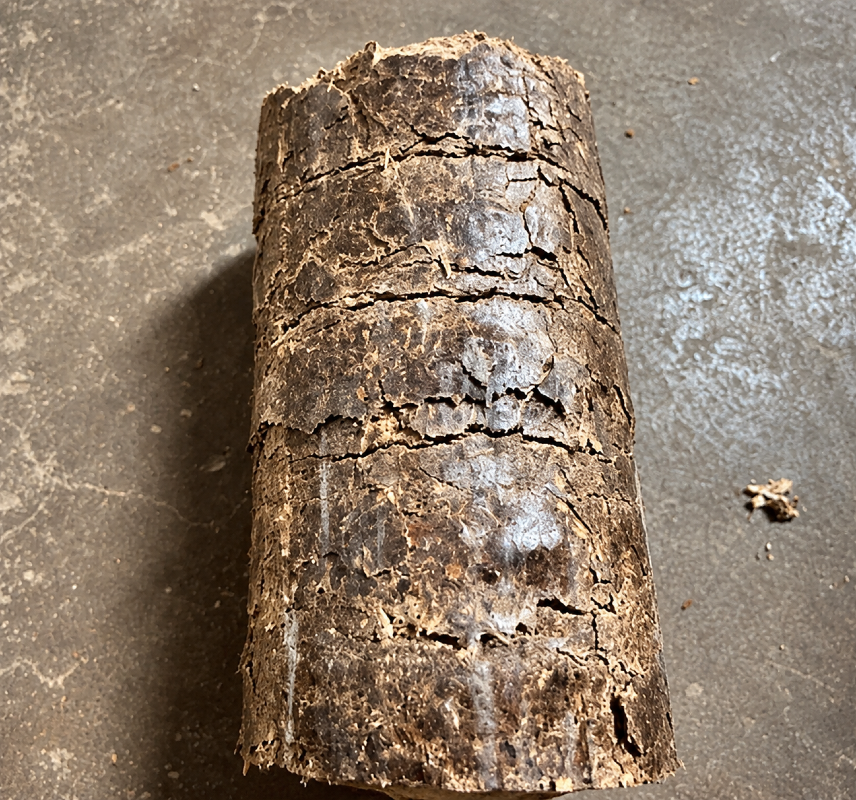
D90 sawdust briquettes are a form of densified biomass fuel created by compressing loose wood residues, shavings, or sawdust under high pressure without using artificial chemical binders. The natural lignin present in the wood acts as a binding agent when subjected to heat and pressure during the manufacturing process. The designation 'D90' typically refers to the physical dimensions of the cylindrical log, specifically its diameter, which is approximately 90 millimeters. This uniform shape makes it convenient for handling and feeding into various types of combustion equipment.
Compared to raw wood or loose agricultural residues, compressed briquettes offer a higher energy density and a more consistent moisture profile. The densification process reduces the volume of the material significantly, which in turn optimizes logistics, transportation costs, and storage space requirements. For industrial boilers designed to handle solid biomass, cylindrical briquettes can provide a steady burn rate and predictable thermal release, provided the feeding mechanism is compatible with their size and shape.
Practical applications and suitability
Integrating a new fuel source into an existing industrial setup requires careful evaluation of your current machinery and operational goals. While biomass fuels offer a practical alternative to fossil fuels or traditional coal, every boiler installation has unique engineering parameters. Ensuring proper alignment between the fuel characteristics and your equipment prevents unexpected downtime and maintains optimal heat transfer efficiency.
Matching the material to the intended use
Before committing to large-scale procurement of D90 sawdust briquettes, you should verify that your boiler's feeding system, grate type, and combustion chamber are suitable for solid logs of this dimension. Some systems utilize manual feeding, while others rely on semi-automated or fully automated conveyor systems. The physical dimensions and structural integrity of the briquettes must withstand handling without crumbling into excessive fine dust before entering the combustion zone. Discussing your specific boiler model and burning capacity with potential suppliers can help determine whether D90 logs are the ideal fit or if alternative biomass forms, such as wood pellets or wood chips, might be more appropriate.
Quality information to request
Evaluating the quality of industrial biomass requires looking beyond the basic appearance of the product. When communicating with suppliers regarding a D90 sawdust briquette supply in Long An, it is helpful to inquire about key parameters such as typical moisture content, ash residue percentage, and the types of wood raw materials used—such as acacia or pine sawdust. A lower moisture content generally correlates with higher calorific value and more efficient combustion. Additionally, understanding the density and mechanical durability of the briquettes helps predict how well the material will hold up during transit and unloading at your facility.
Planning storage and handling
Proper storage is a critical factor in maintaining the quality of biomass fuels over time. Although D90 sawdust briquettes are compressed and dense, they remain hygroscopic, meaning they can absorb moisture if exposed to rain, high humidity, or ground dampness. Storing the fuel in a dry, well-ventilated warehouse or under secure, waterproof tarpaulins is essential to prevent moisture absorption, which can negatively impact ignition and thermal efficiency.
Handling logistics within your facility should also be planned carefully. Moving bulk shipments from delivery trucks to the storage yard requires adequate space for maneuvering and efficient unloading equipment. Establishing a first-in, first-out inventory rotation ensures that older stock is consumed before newer deliveries, keeping the fuel supply organized and minimizing degradation during long-term storage periods.
Organizing bulk supply and delivery
Securing a consistent fuel supply in an industrial hub like Long An involves coordinating delivery schedules that match your facility's consumption rate. Large-scale operations cannot afford unexpected fuel shortages, making reliable transport logistics a top priority. When arranging for bulk deliveries, clarify the vehicle capacity, road access limitations near your plant, and the preferred offloading methods.
Establishing clear communication channels with your supplier regarding delivery timeframes helps prevent bottlenecks at your receiving docks. It is also beneficial to discuss minimum order quantities, seasonal availability, and contingency planning in case of transportation delays or unexpected spikes in your facility's energy demand. A structured supply agreement provides both parties with clear expectations and supports smooth, uninterrupted industrial operations.
Comparing suppliers beyond the quoted price
When sourcing industrial fuel, focusing solely on the initial quoted price can sometimes lead to overlooked operational challenges. While cost is a major factor in procurement decisions, the overall value offered by a supplier encompasses several other operational dimensions. Reliability in delivery schedules, consistent product quality, responsive customer service, and transparent communication are vital elements of a dependable business relationship.
Evaluating potential partners involves looking at their track record, industry experience, and ability to handle fluctuations in volume. A trustworthy supplier will be transparent about their processing methods, raw material sourcing, and logistical capabilities. Taking the time to assess these factors helps build a stable supply chain that supports your facility's long-term energy needs without compromising on quality or operational safety.
Frequently Asked Questions About D90 Sawdust Briquettes
Making an informed sourcing decision
Sourcing D90 sawdust briquettes for industrial boilers in Long An requires a balanced approach that takes into account fuel specifications, equipment compatibility, storage logistics, and supplier reliability. By thoroughly evaluating these factors and maintaining clear communication with your chosen provider, you can establish an efficient and dependable energy supply chain for your manufacturing facility. Always confirm product suitability and availability directly with your supplier to ensure your industrial operations run smoothly and efficiently throughout the year.
Contact information
PHONG THAI THUAN COMPANY LIMITED
Address: 154/31 Nguyễn Phúc Chu, Phường Tân Sơn, TP. Hồ Chí Minh
Hotline: 0843 188 777
Email: info@phongthaithuan.com.vn
Website: phongthaithuan.com.vn