
Dear Sir/Madam, maintaining optimal hygiene within livestock housing remains one of the most critical operational challenges for modern agricultural producers. High humidity levels, accumulation of organic waste, and persistent ammonia odors not only compromise the living environment of farm animals but also pose severe respiratory risks and affect overall productivity. To address these agricultural hurdles, farm operators continually seek innovative, sustainable, and high-efficiency materials that can maintain clean, dry conditions while streamlining waste management workflows. Among the advanced biological solutions currently transforming modern animal husbandry, compressed wood-based bedding materials have emerged as a premier choice. Backed by extensive industry research and practical farm applications, these specialized products offer superior absorption capacities and natural deodorizing properties that significantly outperform traditional bedding alternatives such as straw, loose rice husks, or raw unrefined sawdust.
Context and Practical Demand for Biological Bedding Materials in Livestock Farming
Modern animal husbandry is increasingly transitioning toward sustainable, biosecure, and environmentally conscious operational models. Traditional stall bedding materials, while historically common, often present notable limitations in high-density or enclosed farming environments. Loose straw and conventional agricultural waste frequently lack sufficient liquid-holding capacity, leading to rapid saturation, slippery flooring, and excessive dust generation that irritates the respiratory tracts of livestock. Furthermore, inadequate moisture control accelerates the decomposition of organic waste, releasing high concentrations of noxious gases like ammonia into the immediate barn atmosphere. These adverse conditions elevate stress levels in livestock, increase susceptibility to hoof rot and respiratory diseases, and demand intensive daily labor for cleaning and replacement. Consequently, livestock producers require advanced biological solutions capable of prolonged moisture retention, efficient odor neutralization, and simplified handling. The growing integration of industrial-grade wood products within the broader framework of Biomass energy sectors underscores a broader industrial trend toward recycling wood processing remnants into high-value agricultural inputs. Understanding the structural characteristics and operational mechanisms of these innovative bedding formats is essential for farm managers aiming to optimize both animal welfare and economic returns.
Structural Characteristics and Operating Mechanism of Bedding Wood Pellets
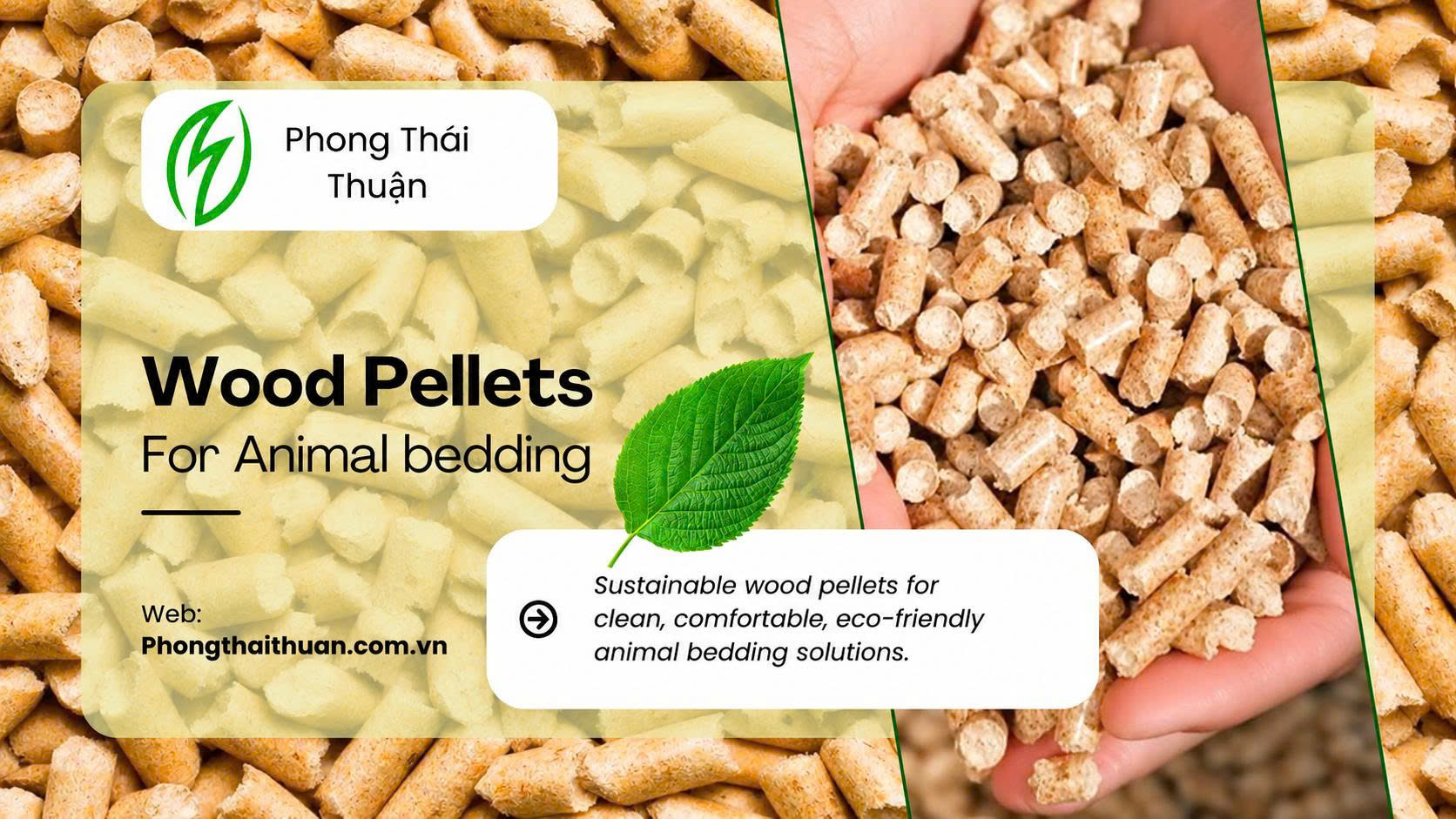
Livestock stall bedding wood pellets are manufactured from compressed, clean wood fibers, typically utilizing residual softwood or hardwood materials sourced from sustainable forestry and milling operations. The production process involves rigorous drying, mechanical pulverization, and high-pressure extrusion without the addition of chemical binders. This manufacturing method yields dense, uniform cylindrical granules with an extremely low initial moisture content, usually falling below ten percent. When introduced into an animal stall, these dense pellets exhibit a unique physical and chemical transformation upon contact with moisture. Due to their high cellular density and the capillary action inherent in dried wood fibers, the pellets rapidly absorb liquids, swelling and breaking down into a soft, highly absorbent carpet of fine sawdust. This structural expansion multiplies the active surface area exposed to moisture and waste, allowing a relatively small volume of material to capture and retain fluids multiple times its own weight. Simultaneously, natural compounds present within the wood matrix, particularly natural resins and lignin, help bind ammonia molecules and inhibit the rapid proliferation of odor-producing bacteria. This dual action of mechanical liquid containment and biochemical odor suppression ensures that the stall floor remains noticeably drier and fresher for extended operational periods compared to conventional bedding substrates.
Economic and Health Benefits of Using Wood Pellets for Farms
The adoption of wood-based pellet bedding delivers profound multi-dimensional advantages for commercial livestock operations, spanning animal health, labor efficiency, and long-term farm economics. From a biological health perspective, maintaining a consistently dry and hygienic lying surface dramatically reduces the incidence of common production-limiting conditions, such as pododermatitis (hoof rot), mastitis in dairy cattle, and various respiratory ailments induced by airborne ammonia and dust. Cleaner animals require less veterinary intervention, experience lower mortality rates, and achieve more consistent growth trajectories. From an operational and economic standpoint, the high absorption capacity and extended lifespan of wood pellet bedding translate to significant reductions in material consumption and labor requirements. Barn staff spend considerably less time engaged in daily mucking out and bedding replenishment, freeing up labor resources for other critical herd management tasks. Furthermore, used bedding materials blended with organic manure decompose more predictably, yielding high-quality organic compost that can be safely returned to agricultural soils or utilized as a valuable byproduct within sustainable farming ecosystems, thereby minimizing waste disposal costs.
Key Aspects in Selecting and Applying Stall Bedding Materials
Successfully integrating biological bedding solutions into daily farm routines requires careful attention to material selection and management protocols. Because the agricultural market features a wide array of raw and processed forestry derivatives—including various grades of wood shavings, sawdust, and compressed pellets—farm managers must establish rigorous evaluation frameworks to ensure optimal performance. Selecting the appropriate product involves balancing initial acquisition costs against absorption longevity, dust levels, and animal-specific requirements. Moreover, proper installation, moisture monitoring, and timely maintenance schedules dictate whether the bedding material will achieve its theoretical performance potential. Establishing standardized standard operating procedures for barn preparation, initial pellet activation, and routine turnover ensures a stable, comfortable environment that supports high-density livestock production without compromising animal welfare or facility hygiene.
Criteria for Evaluating Standard-Compliant Bedding Products
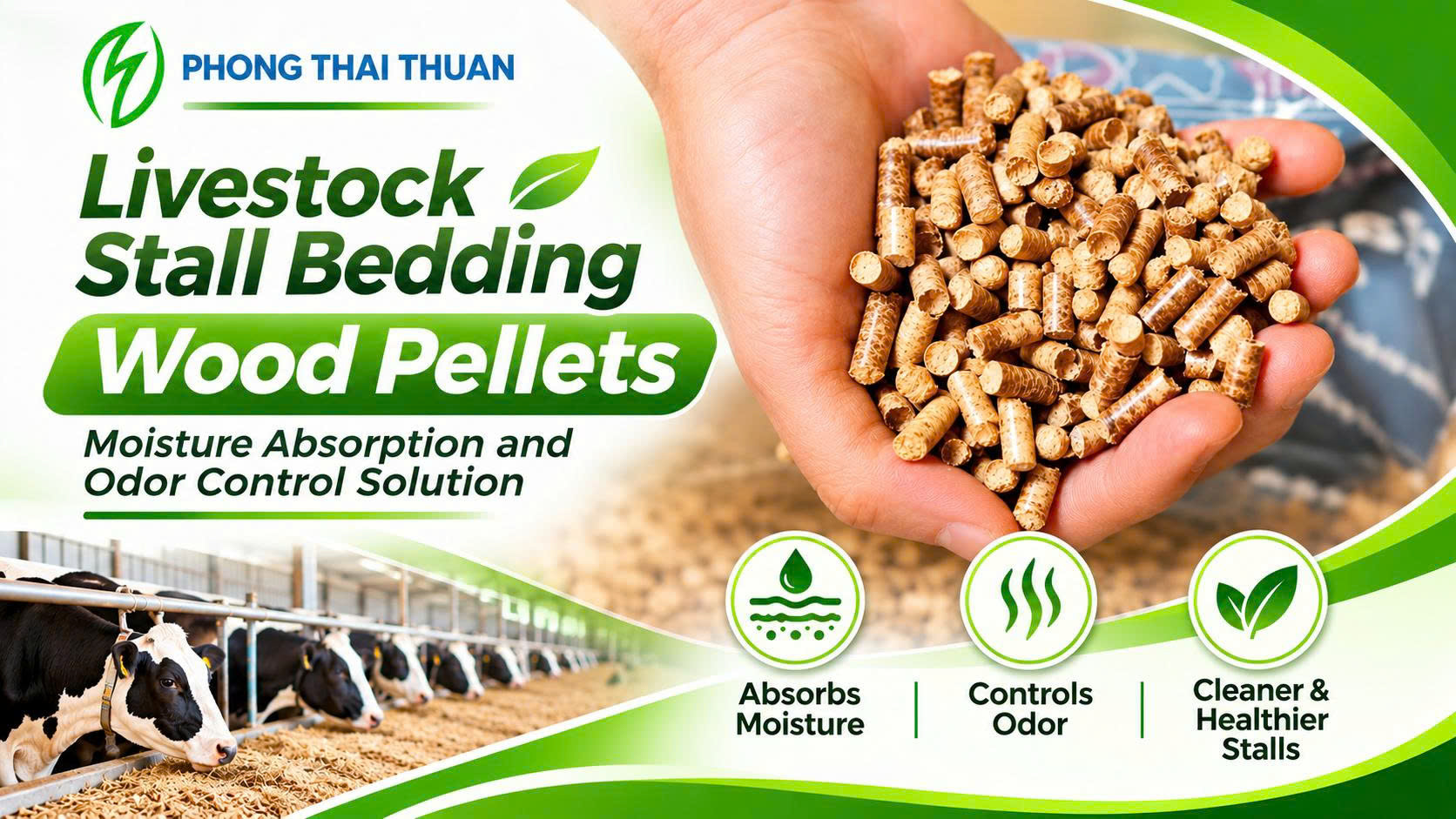
To identify superior stall bedding wood pellets, procurement personnel and farm owners must assess several critical physical and chemical parameters. First, the raw material source must be clean and free from chemical contaminants, heavy metals, toxic glues, or hazardous wood preservatives derived from treated construction timber. High-quality pellets are typically produced from homogeneous hardwood or softwood residuals that have been thoroughly checked for purity. Second, the moisture content of the packaged product should remain strictly controlled; excessively moist pellets will lack the structural integrity required for effective expansion and can harbor mold spores prior to use. Third, physical durability and hardness are vital indicators: pellets must withstand transportation and handling without prematurely crumbling into fine dust within the bag, yet possess the correct internal porosity to break down controllably upon wetting. Finally, suppliers operating under recognized quality management systems, such as those associated with established industrial enterprises like Phong Thai Thuan, provide greater assurance of consistent batch quality, reliable supply chain continuity, and compliance with environmental standards necessary for modern agricultural operations.
Guidelines for Effective Utilization and Storage Procedures
Maximizing the functional lifespan of wood pellet bedding depends heavily on correct initial preparation and ongoing maintenance protocols. Prior to introducing the pellets, the stall floor must be thoroughly cleaned, disinfected, and allowed to dry completely to prevent trapped moisture from initiating premature breakdown. For optimal performance, many farmers lightly pre-moisten the compacted pellets with a small quantity of clean water to accelerate their mechanical expansion and softening before livestock enter the housing unit. The recommended installation depth varies depending on the species housed, but maintaining an even, uniform layer ensures balanced weight distribution and prevents localized saturation zones. Routine maintenance involves daily removal of heavily soiled solid waste and wet clumps, followed by raking or harrowing the remaining material to aerate the bed and facilitate the evaporation of residual moisture. Regarding storage, unused bags or bulk quantities of wood pellets must be kept in dry, well-ventilated warehouses elevated off the ground on pallets, shielded completely from rain, high humidity, and direct contact with soil moisture to prevent caking and mold growth.
Frequently Asked Questions About Livestock Stall Bedding Wood Pellets
Conclusion and Orientation Toward Sustainable Solution Selection
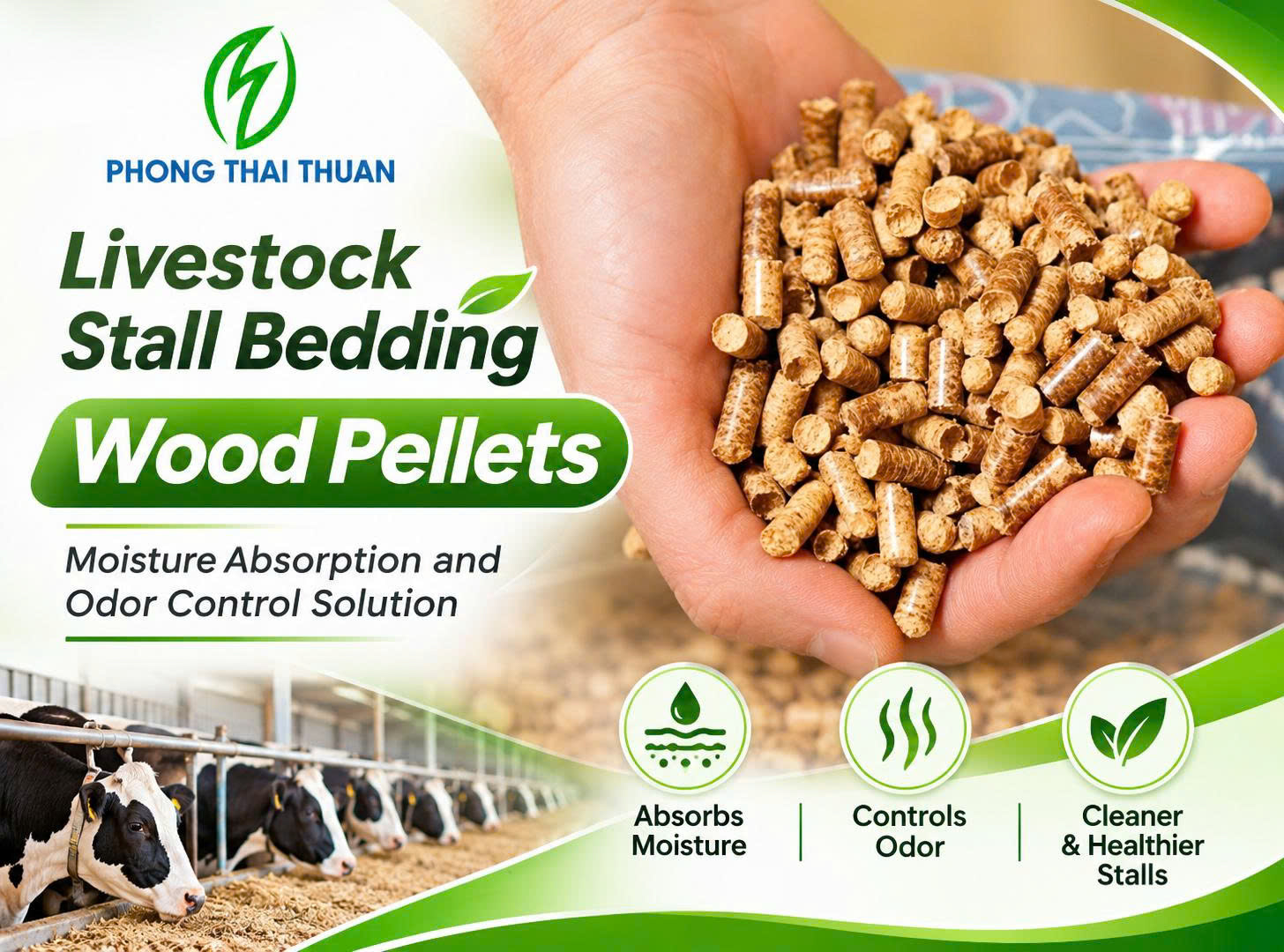
In summary, the implementation of livestock stall bedding wood pellets represents a highly strategic, forward-thinking approach to modern animal husbandry and farm hygiene management. By leveraging the advanced structural and biochemical properties of compressed wood fibers, agricultural producers can achieve superior moisture absorption, remarkable ammonia odor suppression, and a significantly healthier living environment for their livestock. This transition not only safeguards animal welfare and reduces veterinary overheads but also delivers substantial labor savings and generates valuable organic compost for sustainable agricultural cycles. As the agricultural sector continues to prioritize environmental stewardship and operational efficiency, investing in certified, high-performance biomass-derived bedding materials stands out as an indispensable practice for progressive farms seeking long-term productivity and ecological balance.
Contact information
PHONG THAI THUAN COMPANY LIMITED
Address: 154/31 Nguyễn Phúc Chu, Phường Tân Sơn, TP. Hồ Chí Minh
Hotline: 0843 188 777
Email: info@phongthaithuan.com.vn
Website: phongthaithuan.com.vn