
In the current industrial landscape, businesses are constantly seeking sustainable methods to optimize production costs while reducing their environmental footprint. As traditional energy sources face increasing pressure regarding price volatility and carbon emissions, manufacturing facilities are shifting their focus toward modern alternatives. Implementing cleaner production models is no longer just a strategic advantage but a fundamental necessity for long-term survival and regulatory compliance.
Energy Transition Background in Manufacturing Plants
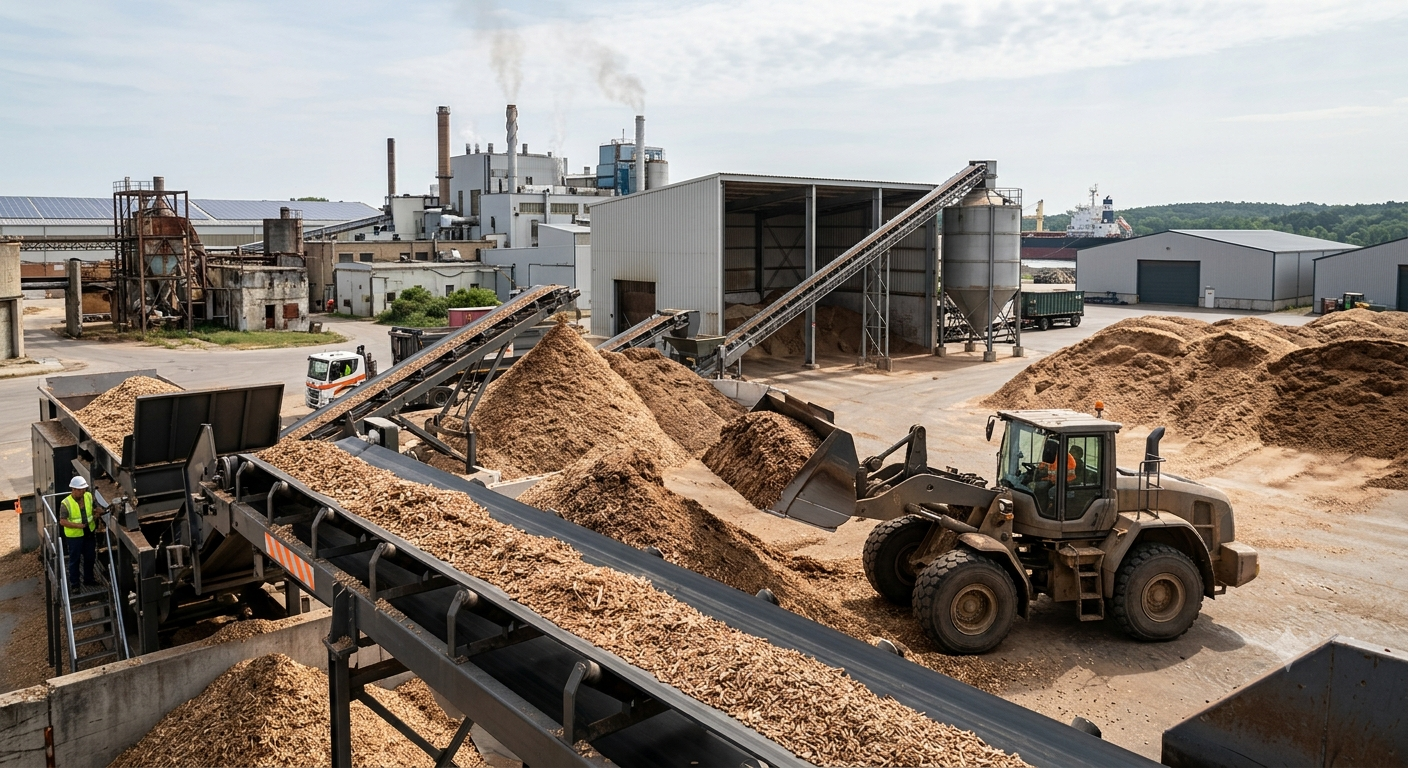
Industrial manufacturing requires a steady, massive supply of thermal energy to drive daily operations, particularly for steam generation and drying processes. Historically, facilities relied heavily on fossil fuels to meet these demanding requirements. However, global market fluctuations and environmental regulations have created a pressing need to rethink how factories source their power. Adopting biomass energy allows industrial operators to decouple their production costs from the unpredictable pricing of conventional fossil fuels while simultaneously aligning with international carbon reduction targets.
Challenges of Operating Industrial Boilers on Traditional Fuels
Relying on conventional fossil sources for industrial thermal generation introduces several severe operational hurdles for factory management. First, the price instability of these resources makes long-term financial forecasting remarkably difficult, directly impacting profit margins. Second, the combustion of coal and oil releases substantial volumes of greenhouse gases and sulfur dioxide, forcing companies to invest heavily in complex filtration systems to meet environmental standards. Furthermore, ash disposal and equipment corrosion caused by low-grade traditional inputs often lead to higher maintenance expenditures and unexpected downtime, disrupting continuous production schedules and diminishing overall plant efficiency.
Optimal Biomass Fuel Solutions for Factory Boilers
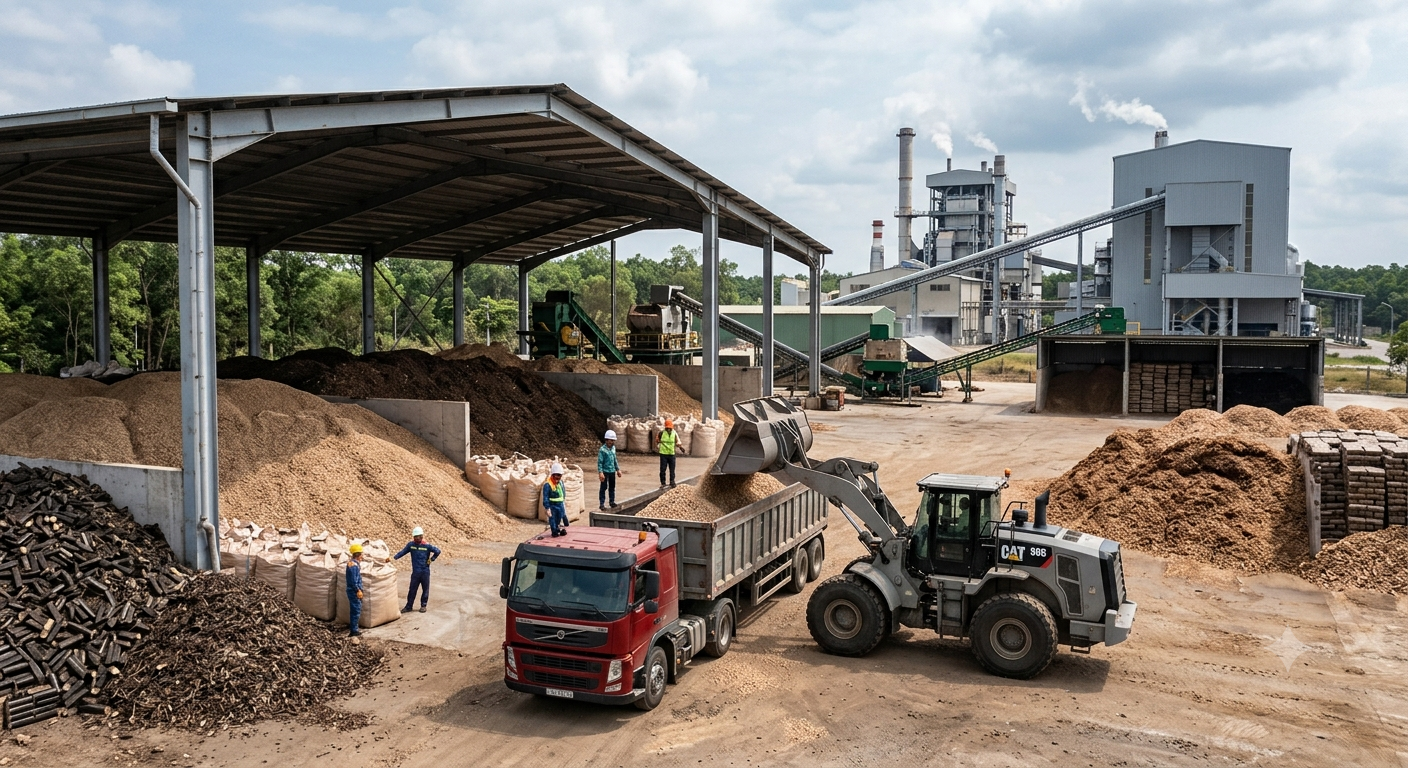
To overcome the limitations of conventional inputs, modern facilities are increasingly adopting processed organic materials designed specifically for thermal generation. Utilizing biomass fuel provides a stable, cleaner, and highly efficient way to generate steam and heat for various manufacturing processes. These organic inputs undergo specialized manufacturing procedures to ensure uniform size, low moisture content, and high calorific value, making them direct substitutes for coal in standard industrial burners without requiring a complete redesign of existing thermal infrastructure.
Effective Applications of Wood Pellets and Compressed Sawdust Blocks
Among the available organic alternatives, wood pellets have emerged as a premier choice for modern thermal applications due to their exceptional energy density and clean burning characteristics. Manufactured from compressed wood residues, these cylindrical items produce minimal ash and maintain a consistent combustion rate, which helps stabilize steam pressure in industrial systems. Similarly, compressed sawdust options offer excellent handling properties, allowing automated feeding systems to operate smoothly. Their low moisture content translates directly into higher thermal efficiency, reducing the total volume of input required to generate an equivalent amount of steam compared to raw timber or low-grade coal.
Selecting Sawdust Firewood and Other Agricultural By-Products
Beyond refined wood products, factories can leverage a diverse array of agricultural by-products and processed residues to fuel their operations economically. Options such as D90 sawdust firewood provide a reliable, dense energy source that burns steadily and efficiently in medium-to-large-scale burners. Additionally, utilizing secondary agricultural outputs like rice husks and crushed shells helps local agricultural sectors manage waste while offering factories a cost-effective secondary supply stream. Diversifying the input mix ensures that plant operators can maintain a steady energy supply even if specific regional by-products experience seasonal availability shifts.
Frequently Asked Questions About Biomass Energy Solutions
Conclusion and General Assessment
The transition toward renewable thermal alternatives represents a vital step for modern manufacturing facilities aiming for economic resilience and environmental stewardship. By integrating processed organic options into their daily operations, factory managers can effectively stabilize energy expenditures, minimize harmful emissions, and secure a dependable supply chain for the long term. Embracing these practical energy alternatives ensures that industrial operations remain competitive, compliant, and well-prepared for a sustainable future.
Contact information
PHONG THAI THUAN COMPANY LIMITED
Address: 154/31 Nguyễn Phúc Chu, Phường Tân Sơn, TP. Hồ Chí Minh
Hotline: 0843 188 777
Email: info@phongthaithuan.com.vn
Website: phongthaithuan.com.vn