
When organizing long-term energy strategies for manufacturing facilities, power generation plants, or large-scale agricultural operations, fuel selection plays a pivotal role in operational stability. Industrial consumers continually look toward renewable alternatives to replace conventional fossil fuels, seeking reliable biomass solutions that can support continuous combustion systems. Within this landscape, understanding how to source, store, and manage processed biomass materials effectively is essential for maintaining equipment efficiency and cost predictability.
As facilities transition toward sustainable alternatives, evaluating the right fuel format requires a clear understanding of material characteristics, handling requirements, and supply chain logistics. Companies such as Phong Thai Thuan operate within the renewable energy and biomass sector, providing various processed wood and agricultural byproduct materials suited for industrial applications. Developing a structured approach to fuel planning helps facility managers avoid operational bottlenecks and ensures a steady energy supply.
Understanding Wood Pellets
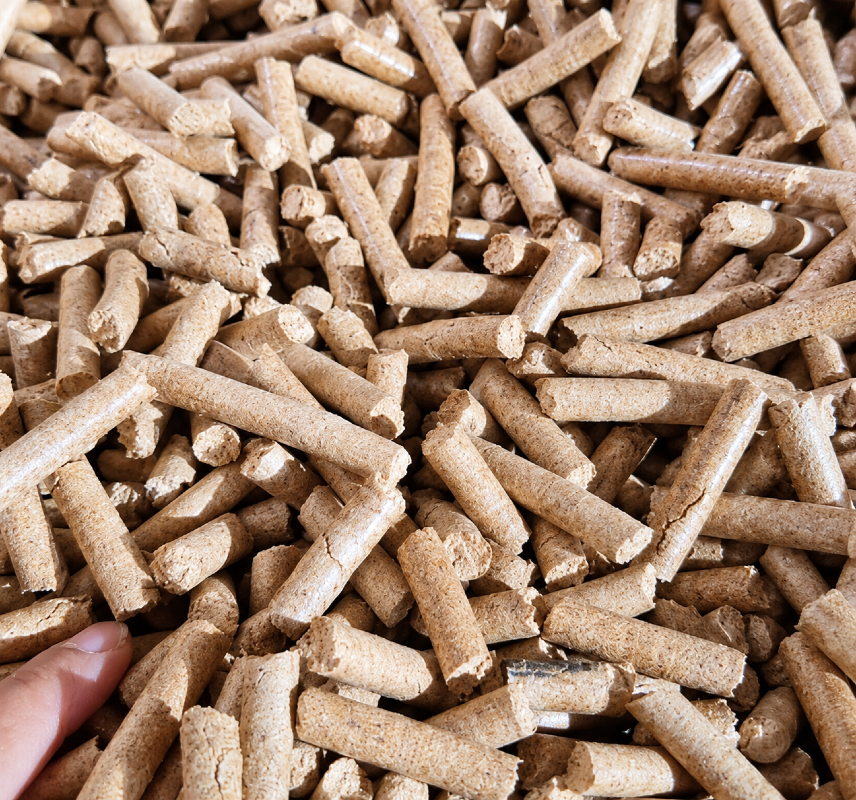
Wood pellets represent a standardized form of densified biomass fuel manufactured from compressed residual woody materials, such as sawdust, shavings, and other clean forestry or wood-processing byproducts. The manufacturing process typically involves grinding raw fibrous material, drying it to an optimal moisture level, and extruding it under high pressure through a die without adding synthetic chemical binders. The natural lignin present in the wood acts as a binding agent, holding the compressed cylinder together into a durable, dense product.
Because of their uniform shape, low moisture content, and high density, these compressed units offer distinct advantages in handling and combustion compared to raw, unprocessed wood or loose agricultural residues. They flow easily through automated feeding systems, making them highly compatible with modern industrial boilers, burners, and heating equipment. Furthermore, their consistent physical dimensions allow for predictable feeding rates, which helps operators stabilize combustion temperatures and optimize thermal output across varying load demands.
Practical applications and suitability
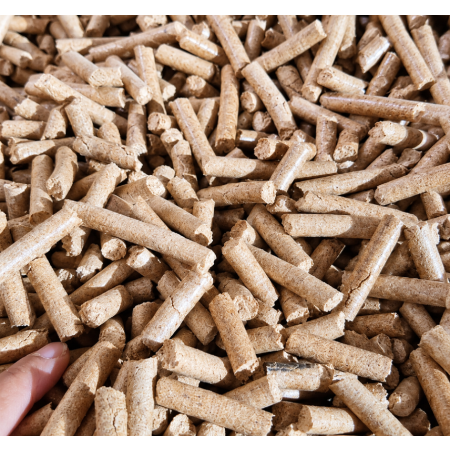
Selecting the appropriate biomass fuel requires matching specific operational parameters with the correct material grade and form. Different combustion systems have unique design tolerances regarding ash content, calorific value, and physical dimensions.
Matching the material to the intended use
Industrial boilers and burners are engineered to handle specific fuel types, ranging from standard wood pellets and sawdust to compressed briquettes like D90 sawdust blocks, wood chips, or agricultural husks such as rice husks and cashew nut shell pellets. For instance, facilities equipped with sophisticated screw-feed or pneumatic conveyance systems typically require uniform, free-flowing products like standard pellets to prevent clogging. Conversely, larger grate-fired furnaces can often accommodate coarser materials, including industrial wood chips, shredded bark, or compressed block formats. Evaluating the mechanical design of your facility's feeding equipment is a necessary first step before committing to a specific fuel category.
Quality information to request
To ensure smooth operation and minimize unexpected maintenance issues, facility operators should request detailed technical data sheets from suppliers regarding the fuel being considered. Key parameters to examine typically include moisture content, ash content, bulk density, mechanical durability, and net calorific value. High moisture levels can reduce combustion efficiency and lead to increased smoke or creosote buildup, while excessive ash content may accelerate slagging and fouling on boiler heat exchanger surfaces. Requesting clear specifications helps operational teams anticipate how a particular batch of fuel will perform under normal working conditions.
Planning storage and handling
Proper storage and material handling are critical components of any industrial biomass fuel strategy. Unlike fossil fuels stored in sealed tanks, biomass products are sensitive to environmental moisture and mechanical degradation if not managed correctly. Wood pellets and related biomass materials must be kept in dry, well-ventilated silos, warehouses, or covered storage structures to prevent rain exposure and high humidity absorption, which can cause the pellets to soften, swell, or disintegrate into loose dust.
Handling systems should also be designed to minimize dust generation and particle breakage during transfer operations. Excessive fines can disrupt automated pneumatic or mechanical feeding mechanisms and create potential safety hazards in enclosed spaces. Implementing routine inventory rotation—using a first-in, first-out approach—helps prevent prolonged storage in damp conditions and maintains the overall quality of the fuel entering the combustion chamber.
Organizing bulk supply and delivery
Securing a dependable, uninterrupted fuel supply is vital for facilities operating on continuous production schedules. When planning bulk procurement, organizations must coordinate delivery schedules based on on-site storage capacity, consumption rates, and seasonal supply availability. Establishing a reliable replenishment schedule prevents emergency orders and mitigates the risk of sudden fuel shortages during peak production periods.
Logistical planning also involves evaluating transport methods, truck access routes, and offloading infrastructure at the facility. Depending on whether the material is delivered in bulk tanker trucks, jumbo bags, or compressed pallets, the offloading area must accommodate the designated vehicles safely and efficiently. Clear communication with suppliers regarding delivery timelines, volume tolerances, and site-specific safety regulations ensures smooth logistics operations from dispatch to final storage.
Comparing suppliers beyond the quoted price
While procurement costs are a primary consideration in any purchasing decision, evaluating industrial fuel suppliers requires looking beyond the initial price per ton. A low quoted price may not reflect hidden expenses associated with inconsistent quality, irregular delivery schedules, or high moisture content that diminishes effective thermal output.
Reliable suppliers demonstrate transparency regarding their processing methods, raw material sourcing, and supply chain capabilities. Assessing a vendor's capacity to maintain consistent quality across large volumes, provide responsive customer support, and manage dependable delivery logistics is essential for building a stable, long-term working relationship. Working with established entities in the biomass industry helps procurement teams secure a steady stream of fuel that meets operational standards without unexpected disruptions.
Frequently Asked Questions About Wood Pellets
Making an informed sourcing decision
Integrating biomass fuels like wood pellets into an industrial energy strategy offers a viable pathway toward operational diversification and environmental responsibility. Successful implementation relies on careful preparation, thorough technical evaluation, and close collaboration with experienced suppliers in the renewable energy sector. By meticulously planning storage, handling, quality verification, and bulk logistics, facilities can achieve stable, efficient energy production that supports long-term operational goals.
Contact information
PHONG THAI THUAN COMPANY LIMITED
Address: 154/31 Nguyễn Phúc Chu, Phường Tân Sơn, TP. Hồ Chí Minh
Hotline: 0843 188 777
Email: info@phongthaithuan.com.vn
Website: phongthaithuan.com.vn