
When managing modern livestock facilities, dairy farms, or equine stables, maintaining a clean, comfortable, and hygienic environment is vital for animal health and operational productivity. Producers and farm managers constantly evaluate different organic substrates to find a balance between absorbency, labor efficiency, and overall cost-effectiveness. Among the available options, processed wood byproducts have gained widespread acceptance due to their natural properties and versatility. Specifically, advanced packaging formats have transformed how facilities handle these organic materials, making logistical operations much smoother than in the past.
As the livestock industry continues to modernize, the demand for reliable, high-volume bedding materials that minimize storage footprints remains high. Understanding how these compressed agricultural and forestry inputs function within a daily routine helps farm operators make informed decisions regarding animal welfare and waste management. Whether you are housing horses, poultry, or other livestock, selecting the right flooring substrate directly influences ventilation, odor control, and the physical well-being of the animals.
Context and Practical Demand for Animal Bedding Materials in Livestock Farming
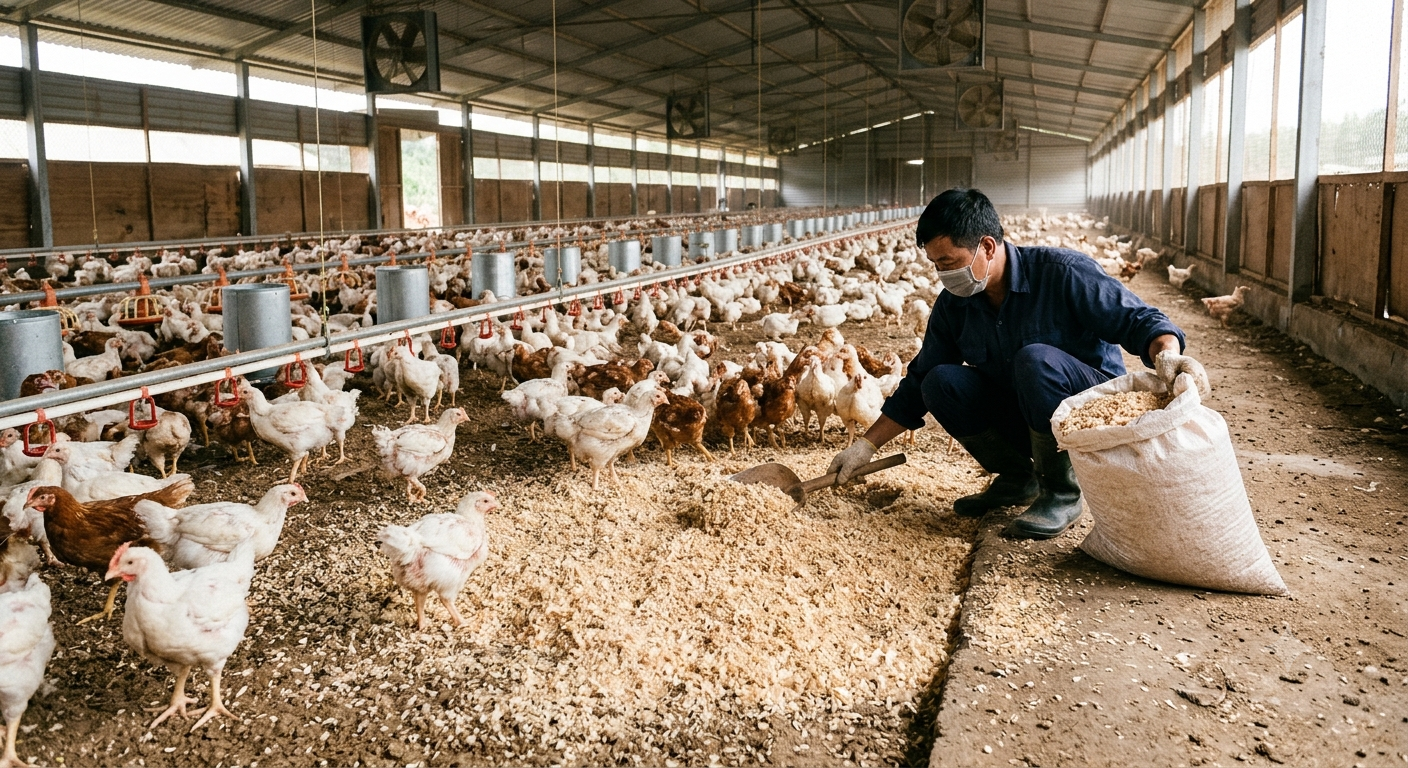
In traditional agricultural settings, animal bedding serves multiple crucial functions: it absorbs moisture, provides a soft cushion to prevent joint injuries, insulates against cold concrete floors, and helps control ammonia levels caused by animal waste. Without proper bedding, livestock can experience respiratory issues, hoof rot, and general stress, which ultimately impacts productivity and health outcomes. Consequently, the search for consistent, clean, and absorbent materials has driven innovation in wood processing and agricultural supply chains.
Livestock operations require bedding that not only performs well inside the stall but is also easy to transport, handle, and store in large quantities. Seasonal fluctuations in supply or inconsistent material quality can disrupt farm operations, leading to increased labor costs and compromised hygiene. Therefore, modern farming enterprises increasingly rely on standardized forestry byproducts that undergo rigorous sorting and processing before reaching the end user.
Limitations of Traditional Bedding Materials
Historically, farms relied heavily on loose straw, hay, unrefined sawdust, or generic agricultural waste sourced locally. While these materials were often readily available, they came with significant drawbacks. Loose straw and unrefined sawdust tend to be bulky, requiring massive storage barns that take up valuable real estate on the farm. Furthermore, uncompressed materials often contain high levels of fine dust, weed seeds, or fungal spores, which can trigger severe respiratory allergies in sensitive animals like horses.
Another major challenge with traditional loose bedding is its high moisture absorption inconsistency and rapid degradation. Loose materials can easily scatter outside the stalls, increasing daily cleaning time and creating unnecessary waste. Transporting loose biomass also incurs high freight costs because trucks carry mostly empty air space rather than dense product. These operational inefficiencies prompted the agricultural sector to seek more compact, uniform, and hygienic alternatives.
The Emergence of Modern Pressed Shavings Bale Solutions
To overcome the logistical and quality hurdles of loose organic substrates, the wood processing industry developed advanced mechanical compression techniques. By gathering clean wood shavings and subjecting them to high hydraulic pressure, manufacturers produce dense, uniform units that significantly reduce volume without altering the fundamental natural properties of the wood. These dăm bào ép kiện represent a major leap forward in material handling and supply chain efficiency.
This modern packaging method ensures that the wood substrate remains protected from ambient moisture and contamination during transport and warehouse storage. When opened inside the stall, the compressed material expands significantly, providing an abundant, fluffy, and highly absorbent layer. This transformation bridges the gap between high-density transport requirements and low-density functional performance, offering farm operators the best of both worlds.
Important Aspects of Pressed Shavings Bales in Practical Application
Integrating compressed wood packaging into daily livestock management requires an understanding of both its physical characteristics and its economic implications. When farm operators evaluate different bedding options, they look closely at moisture content, particle size distribution, dust mitigation levels, and overall ease of distribution. These technical factors determine how well the material performs under heavy animal traffic and frequent cleaning cycles.
Moreover, the versatility of wood-based substrates extends beyond simple stall flooring. Facilities often look for multi-use biomass that integrates seamlessly with existing waste management or composting systems. Because natural wood decomposes predictably, spent bedding can often be converted into valuable organic compost or utilized alongside dăm gỗ tự nhiên for various agricultural and energy applications.
Technical Characteristics and Storage Space Optimization Capability
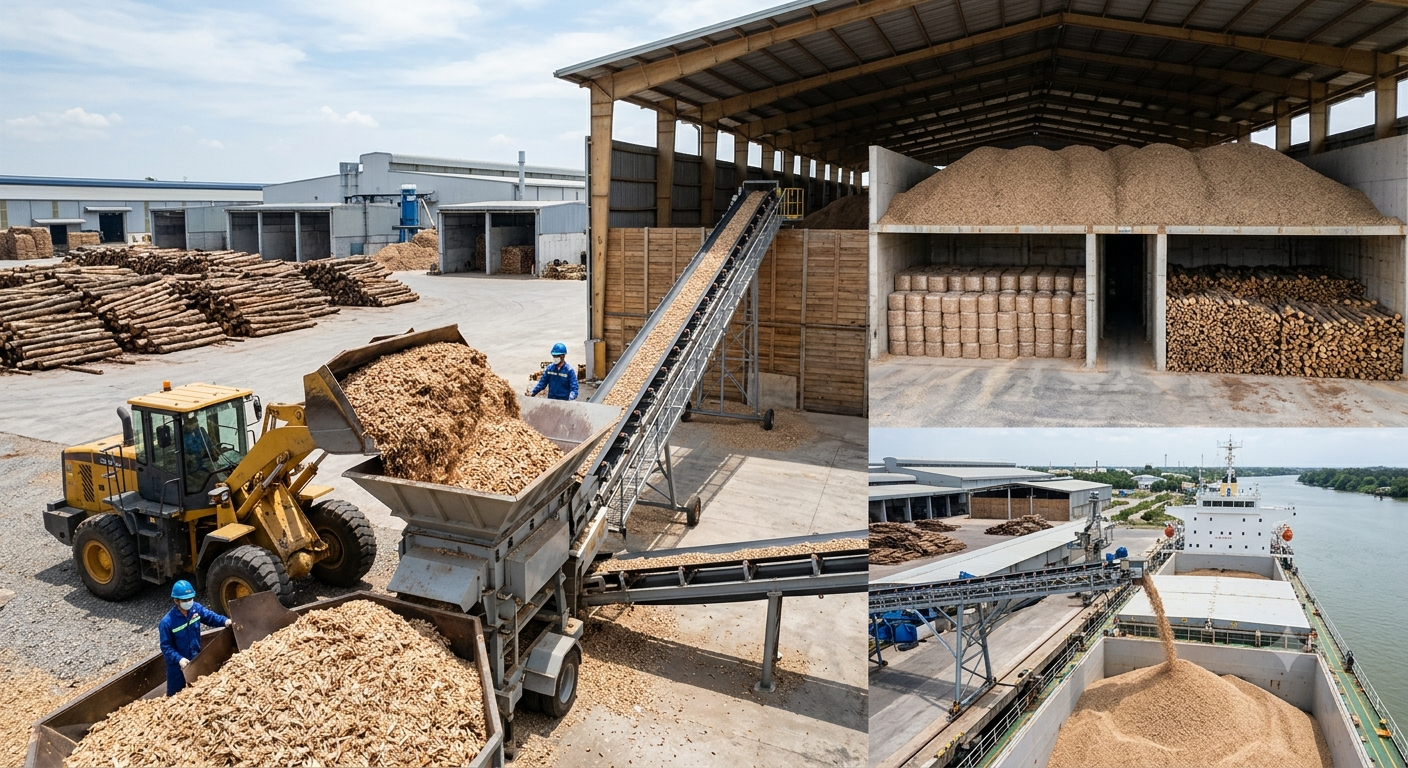
The defining feature of pressed shavings is their high density achieved through mechanical compaction. A standard pallet of compressed bales takes up a fraction of the warehouse space that an equivalent volume of loose bedding would require. This space-saving attribute is especially valuable for urban or peri-urban stables and livestock farms where real estate is limited and expensive.
From a technical standpoint, quality shavings are carefully screened to remove oversized splinters and excessive fine dust. The optimal particle size ensures maximum surface area for fluid absorption while maintaining enough structural integrity to prevent the bedding from packing down too tightly into an impermeable mat. This porous structure allows air to circulate through the bedding, aiding in natural drying and reducing unpleasant odors between cleanouts.
Economic Efficiency and Safety Features for Livestock
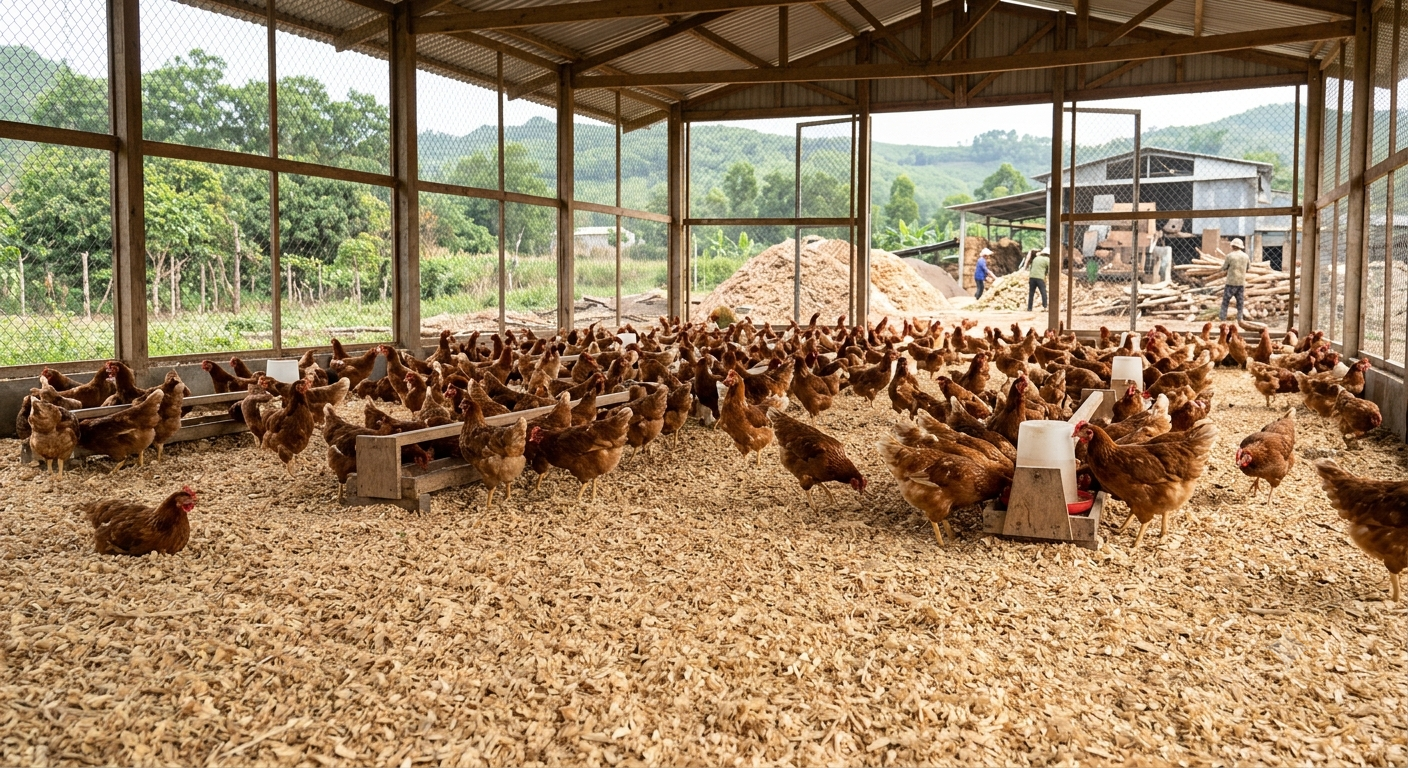
While the initial unit cost of compressed bedding might appear higher than unrefined local waste, the overall economic efficiency is favorable when factoring in labor, storage, and waste reduction. Because the bales expand upon opening, farm workers can accurately portion out the exact amount needed for each stall, minimizing overuse and daily waste. Less frequent top-ups and easier mucking-out procedures translate to substantial savings in labor hours over the course of a year.
Animal safety is another paramount consideration. High-grade wood shavings derived from non-toxic tree species provide a clean, chemical-free surface that protects animal skin, hooves, and respiratory systems. Unlike some recycled wood sources that may contain nails, chemical residues, or paint, pure forestry byproducts offer a controlled environment that minimizes veterinary risks and veterinary expenses.
Frequently Asked Questions about Pressed Shavings Bales
Conclusion and General Assessment
Pressed shavings bales offer a practical, space-saving, and hygienic solution for modern livestock and equine management. By combining the natural absorbency and safety of clean wood with advanced mechanical compaction, these products solve the storage, transport, and labor challenges associated with traditional loose bedding materials. Farm managers looking to optimize their daily operations, protect animal health, and maximize warehouse efficiency will find compressed wood substrates to be a reliable, long-term asset in their agricultural supply chain.
Contact information
PHONG THAI THUAN COMPANY LIMITED
Address: 154/31 Nguyễn Phúc Chu, Phường Tân Sơn, TP. Hồ Chí Minh
Hotline: 0843 188 777
Email: info@phongthaithuan.com.vn
Website: phongthaithuan.com.vn