
Sourcing industrial wood byproducts and renewable materials requires a clear understanding of material characteristics, logistics, and operational planning. Across industrial regions such as Long An, various organic residues are utilized for multiple purposes, ranging from alternative fuel solutions to agricultural and landscaping applications. Among these materials, shredded bark serves as a notable organic resource derived from timber processing operations. Understanding how this material is produced, evaluated, and managed helps industrial users, agricultural facilities, and commercial buyers make informed purchasing decisions that align with their operational requirements.
Understanding Shredded Bark
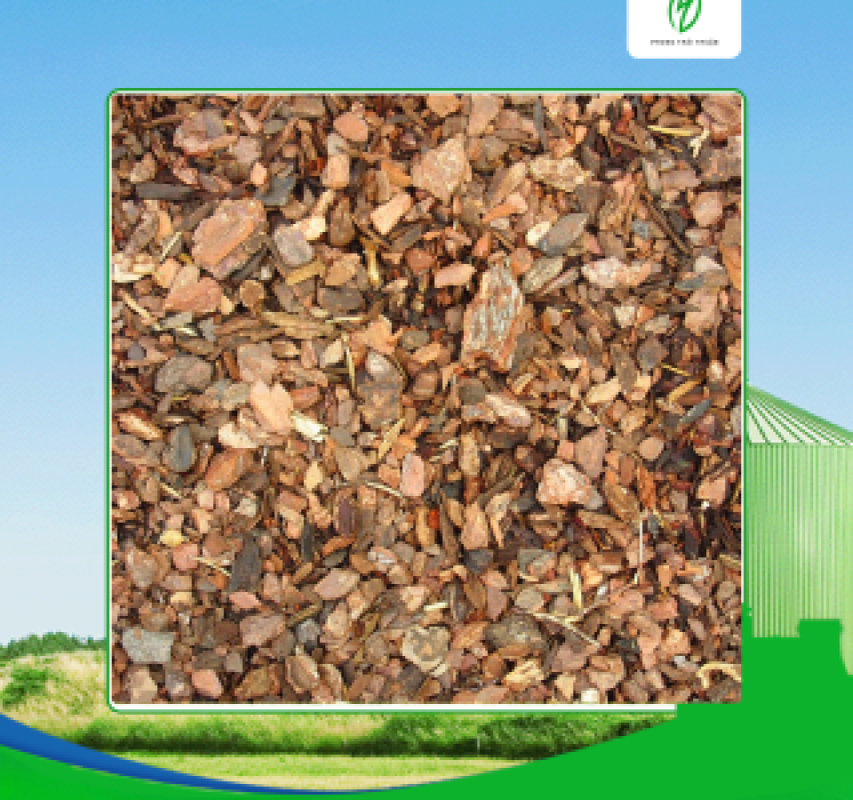
Shredded bark is a fibrous organic byproduct obtained during the debarking and primary processing of logs in the timber industry. As sawmills and wood-processing facilities prepare timber for lumber, panels, or pulp production, the outer bark is removed and subsequently processed through industrial shredders to achieve a more uniform particle size. The resulting material consists of irregular yet manageable fibrous strands, varying in moisture content, particle dimensions, and bark species depending on the original timber source, such as acacia or pine.
In industrial contexts, shredded bark is valued for its versatility and availability as a secondary wood product. Unlike processed lumber, bark contains natural lignin and fibers that influence its combustion properties when utilized as biomass fuel, as well as its structural stability when applied in landscaping or soil conditioning. Facilities seeking a reliable shredded bark supply in Long An typically evaluate the material based on its physical consistency, dryness, and volume availability. Because wood processing outputs fluctuate with seasonal timber harvesting trends, understanding the nature of the raw material allows buyers to anticipate supply variations and adjust their inventory management accordingly.
Practical applications and suitability
The utility of shredded bark extends across multiple sectors, making it a flexible commodity for operations seeking sustainable organic materials. However, achieving optimal results depends heavily on matching the specific material batch with the intended operational application and confirming quality parameters prior to large-scale procurement.
Matching the material to the intended use
Different industrial and commercial applications demand distinct physical and chemical characteristics from organic byproducts. In energy generation, shredded bark is frequently utilized as a supplemental biomass fuel for industrial boilers, where its fibrous nature and combustible content contribute to thermal energy production. When used for fuel, consistency in moisture levels and minimal contamination from soil or stones are critical for maintaining stable combustion efficiency and preventing excessive ash accumulation.
Conversely, when utilized in agricultural settings, livestock bedding, or landscaping ground cover, different parameters take precedence. Horticultural applications benefit from a uniform particle distribution that helps retain soil moisture, suppress weed growth, and gradually enrich organic content as the material decomposes. In animal husbandry, clean, fibrous bark or associated wood byproducts must provide comfortable cushioning without introducing sharp debris or excessive dust. Buyers must carefully assess whether a specific batch meets the cleanliness and sizing criteria required for their particular operational environment.
Quality information to request
To ensure that the supplied material meets operational standards, purchasers should proactively request comprehensive product details from their suppliers. Key information typically includes the dominant timber species from which the bark was derived—such as acacia or mixed hardwoods—as these influence burning characteristics and decomposition rates. Additionally, inquiring about the typical moisture range helps facility managers plan for drying or immediate usage. Asking for details regarding screening processes helps confirm that oversized chunks, foreign objects, or excessive dirt have been minimized, reducing the risk of equipment wear or operational interruptions.
Planning storage and handling
Proper storage and handling procedures are essential for preserving the quality of bulk organic materials and preventing safety hazards at the facility. Shredded bark, like many biomass and wood-based byproducts, is susceptible to moisture absorption during heavy rains and spontaneous heating if large volumes are compacted improperly for extended periods. Establishing a well-drained, covered storage area or implementing proper stock rotation protocols—such as a first-in, first-out system—helps maintain material integrity and prevents mold development or degradation.
Handling equipment must also be selected based on the bulk density and fibrous nature of the material. Front-end loaders, conveyor systems, or pneumatic handling setups should be evaluated to ensure they can manage fibrous biomass efficiently without frequent clogging or mechanical strain. Facility managers should also incorporate standard safety protocols regarding dust management and fire prevention, particularly during dry weather conditions when organic dust and loose fibers require careful housekeeping.
Organizing bulk supply and delivery
Logistical planning is a crucial component when acquiring shredded bark supply in Long An, especially for operations requiring continuous, high-volume deliveries. Because wood byproducts are bulky and have a relatively low density compared to processed minerals or metals, transportation costs constitute a significant portion of the overall landed cost. Coordinating delivery schedules with suppliers ensures that transport vehicles are utilized efficiently and that shipments arrive in quantities that match available on-site storage capacity.
Buyers should discuss delivery logistics thoroughly with their suppliers, clarifying factors such as truck access routes, unloading procedures, and acceptable delivery windows. Industrial zones in Long An often experience varying traffic regulations for heavy transport vehicles, making it important to align delivery timetables with local transit rules. Establishing clear communication channels regarding delivery volumes and frequency helps prevent unexpected shortages and ensures a steady operational workflow.
Comparing suppliers beyond the quoted price
When selecting a provider for industrial wood byproducts, evaluating solely based on the initial price per cubic meter or ton can be misleading. A comprehensive supplier comparison takes into account multiple service and quality dimensions that directly impact overall operational efficiency.
- Reliability and Consistency: Assess the supplier's track record in maintaining a stable volume of shredded bark over extended contract periods, minimizing sudden supply gaps.
- Material Quality Control: Determine whether the supplier implements effective screening and sorting processes to reduce impurities, rocks, and oversized fragments.
- Logistics Flexibility: Evaluate the provider's ability to coordinate timely transportation and adapt delivery quantities to fluctuating seasonal demand.
- Technical Responsiveness: Consider the willingness of the supplier to provide clear documentation regarding material specifications, moisture ranges, and timber origin.
Frequently Asked Questions About Shredded Bark
Making an informed sourcing decision
Successful procurement of industrial organic byproducts relies on balancing material suitability, logistical efficiency, and supplier reliability. By thoroughly assessing quality parameters, planning appropriate storage infrastructure, and establishing clear communication channels with dependable providers, businesses can secure a consistent shredded bark supply in Long An. Taking a structured, methodical approach to evaluation and planning ultimately safeguards operational continuity and maximizes the value derived from renewable wood-processing resources.
Contact information
PHONG THAI THUAN COMPANY LIMITED
Address: 154/31 Nguyễn Phúc Chu, Phường Tân Sơn, TP. Hồ Chí Minh
Hotline: 0843 188 777
Email: info@phongthaithuan.com.vn
Website: phongthaithuan.com.vn